
Blogs & Articles
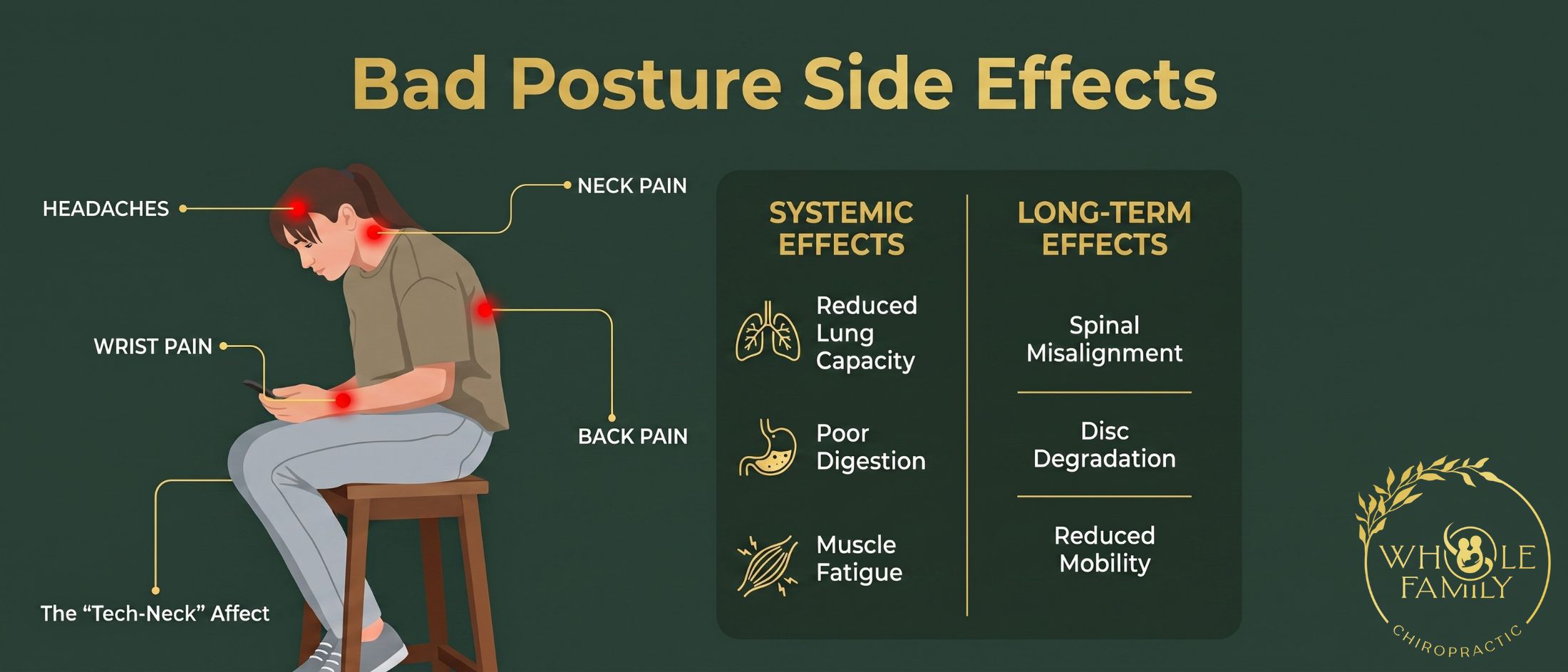
Bad Posture Side Effects: Signs, Symptoms, and Health Risks
We all know that our bodies were designed to move and exercise. However, with the current trend of desk jobs and remote work, most of us end up sitting for long hours in front of our computers or laptops.
Unfortunately, this sedentary lifestyle often leads to poor posture and can harm our health in many ways.
Poor posture not only affects our physical appearance but can also lead to a wide variety of health issues, ranging from headaches and back pain to depression and anxiety.
Understanding Poor Posture
Poor posture refers to the incorrect alignment of our body while sitting, standing, or lying down. It occurs when we adopt positions that deviate from the optimal spinal alignment, leading to strain and stress on various parts of our body.
This can be caused by a combination of factors, including bad habits, repetitive behaviors, and muscle imbalances.
For instance, slouching and hunching over our desks can put excessive pressure on our neck and back, while crossing our legs can disrupt the natural alignment of our hips and pelvis.
By understanding the detrimental effects of poor posture and making conscious efforts to improve it, we can alleviate discomfort and promote better overall musculoskeletal health.
Signs and Symptoms
Poor posture often develops gradually, making the early warning signs easy to overlook. Recognizing these changes early may help prevent additional strain on the muscles, joints, and spine over time.
Common Signs of Poor Posture
- Forward head posture.
- Uneven shoulder or hip height.
- Uneven weight distribution while standing.
- Rounded shoulders or a hunched upper back.
- An exaggerated curve in the upper or lower spine.
These postural changes may indicate that your body is no longer maintaining optimal alignment. If left unaddressed, they can place additional stress on muscles, joints, and other structures over time.
The Negative Effects of Poor Posture on Your Health
Back Pain
Poor posture places excessive stress on the spine and surrounding muscles, which can contribute to back pain and stiffness over time.
If left uncorrected, this discomfort may become more persistent and interfere with everyday activities.
Muscle Imbalance
Poor posture often leads to muscle imbalances, which occur when some muscles become stronger than others.
These muscle imbalances can cause further pain and discomfort, leading to more poor posture habits in an attempt to relieve the pain.
Headaches
Bad posture often leads to tension headaches. When we slouch, our shoulders and neck tend to tighten up, which can affect the blood flow in our body. This reduced blood flow can sometimes lead to headaches.
Digestion Problems
Poor posture, especially prolonged slouching while sitting, can place extra pressure on the abdomen and may interfere with normal digestion.
Over time, this may contribute to symptoms such as bloating, constipation, or general digestive discomfort.
Mental Health Issues
Poor posture can also impact our mental health. When we feel pain or discomfort, it can impact our mood, leading to feelings of stress, anxiety and depression.
Additionally, people with poor posture may experience low self-esteem and lack of confidence, which can impact their social interactions and job performance.
Maintain Better Posture with Whole Family Chiropractic
At Whole Family Chiropractic, we help patients improve their posture through personalized chiropractic care designed to support better spinal alignment and overall function.
We use Chiropractic BioPhysics®, which combines spinal adjustments with posture-focused rehabilitation exercises and other individualized recommendations to help improve posture and spinal alignment.
By addressing the underlying factors that contribute to poor posture, we aim to reduce unnecessary strain on the body and support long-term musculoskeletal health.
If you’re concerned about your posture or are experiencing discomfort, schedule a consultation with Whole Family Chiropractic.
Our team can assess your posture and recommend a personalized care plan based on your individual needs.
