
Knee Pain
Knee Pain Treatment in Anchorage, AK
Knee pain can make everyday movement feel much harder than it should. Walking, climbing stairs, standing from a chair, kneeling, exercising, getting in and out of a car, or even standing for long periods may trigger aching, stiffness, weakness, or sharp discomfort around the knee.
At Whole Family Chiropractic in Anchorage, AK, we help patients with knee pain, stiffness, mobility problems, overuse injuries, and other lower-extremity concerns understand what may be contributing to their symptoms and what treatment options may be appropriate.
Our approach looks beyond the painful area alone. We evaluate your knee movement, hips, pelvis, feet, posture, muscle function, previous injuries, and health history so we can create a personalized plan designed to improve mobility, reduce irritation, and support better overall function.
What Causes Knee Pain?
The knee joint connects the thigh bone to the shin bone and depends on coordinated movement between bones, cartilage, ligaments, tendons, muscles, and the kneecap. Because the knee absorbs significant forces during walking, climbing, lifting, and exercise, several different structures may contribute to pain.
Knee pain may develop from overuse, muscle or tendon strain, joint irritation, arthritis, previous injuries, altered movement patterns, repetitive activity, or mechanical problems involving the hips, feet, or lower extremities. In some cases, more than one factor may be contributing at the same time.
Common Knee Pain Symptoms
Some knee problems cause mild soreness after activity. Others can significantly affect walking, exercise, work, and normal daily movement.
Common symptoms may include:
- Aching or soreness around the knee
- Pain when climbing or descending stairs
- Stiffness after sitting or resting
- Pain when squatting or kneeling
- Weakness or instability
- Clicking, popping, or uncomfortable movement
- Swelling or tenderness around the joint
- Reduced ability to fully bend or straighten the knee
The location and severity of symptoms can vary depending on which muscles, tendons, ligaments, cartilage, joints, or surrounding structures are involved.
When these symptoms continue, it is important to determine whether the problem involves the knee itself, movement patterns from the hip or foot, arthritis, previous injury, muscle imbalance, or a combination of factors.
When Knee Pain Starts Affecting Your Life
Knee pain can gradually change the way you move without you realizing how much you are compensating. You may avoid stairs, shift more weight onto one leg, stop kneeling, reduce your workouts, or hesitate before standing because you expect the movement to hurt.
For active Anchorage residents, knee pain can also interfere with hiking, skiing, walking on uneven terrain, exercising, working outdoors, or simply keeping up with family. When knee discomfort begins changing the way you walk, work, or stay active, identifying the source becomes increasingly important.
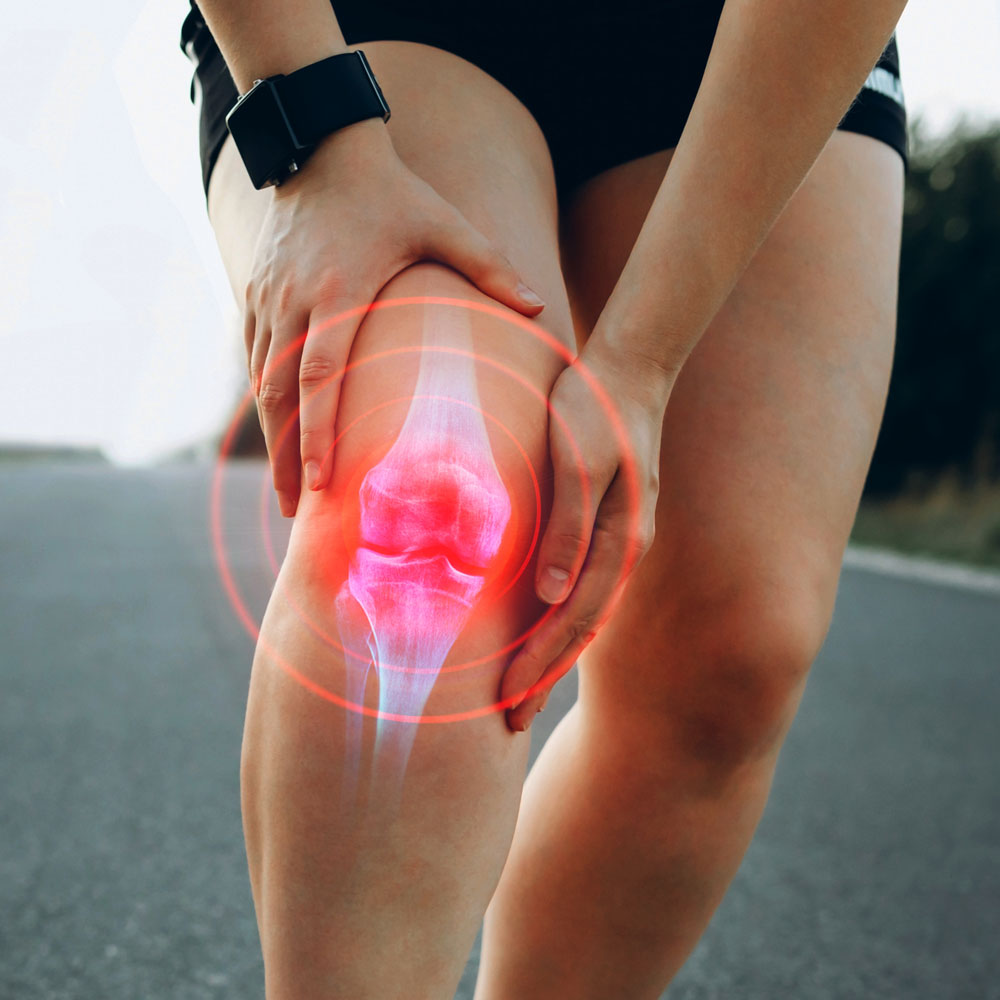
Knee Pain Relief in Anchorage
At Whole Family Chiropractic, our chiropractors in Anchorage evaluate more than the exact location of your knee pain. We look at knee mobility, hip and ankle mechanics, posture, strength, previous injuries, daily activities, and movement patterns that may be placing additional stress on the joint.
Depending on your findings, your care plan may include chiropractic care, extremity adjusting, physical rehabilitation, mobility and strengthening exercises, supportive therapeutic techniques, or a combination of approaches available within our Anchorage clinic.
The goal is not to assume every painful knee has the same problem. It is to identify which structures and movement patterns may be involved and determine which type of care makes sense for your specific condition and goals.
Chiropractic Care for Knee Pain
ankles, or surrounding joints appears to be contributing to discomfort.
Whole Family Chiropractic uses multiple chiropractic techniques, including approaches for extremity joints, allowing our doctors to adapt care based on the location of the problem, comfort level, previous injuries, and clinical findings. When knee pain involves significant arthritis, ligament injury, or another structural condition, care may need to be modified accordingly.
Your chiropractor will determine which areas should be treated and whether chiropractic or extremity adjustments are appropriate.
Knee Mobility, Strength, and Rehabilitation
Healthy knee function depends on more than the knee joint itself. The hips, thighs, ankles, feet, and surrounding muscles all influence how forces move through the knee during walking, stairs, squatting, running, and exercise.
Depending on your condition, rehabilitation may focus on improving strength, stability, flexibility, balance, and movement patterns that reduce unnecessary stress on the knee.
Your care plan may also include home exercises designed to reinforce improved movement and help you gradually return to normal activities.
Lower-Extremity Mechanics and Postural Support
The way your hips, knees, ankles, and feet align and move together can influence how forces are distributed through the knee.
When clinically appropriate, our team may evaluate postural and biomechanical patterns that affect the lower extremities. Differences in weight distribution, hip control, foot mechanics, or movement from side to side may contribute to recurring stress during walking, lifting, or exercise.
A personalized care plan may incorporate chiropractic care, corrective exercises, mobility work, and home recommendations designed around your individual findings.
Knee Rehabilitation and Supportive Care
Persistent knee pain can cause your body to compensate by changing the way you walk, climb stairs, stand, or shift your weight.
Depending on your needs, care may include physical rehabilitation and supportive therapies available within our Anchorage clinic. Whole Family Chiropractic offers a comprehensive physical medicine program that can incorporate chiropractic care, extremity treatment, rehabilitation, mobility work, strengthening, and therapeutic techniques based on each patient’s individual needs.
Our goal is to help you regain comfortable movement, improve function, and return to everyday activities with greater confidence.
Knee Pain, Arthritis, and Overuse Injuries
These conditions can overlap, but they are not exactly the same.
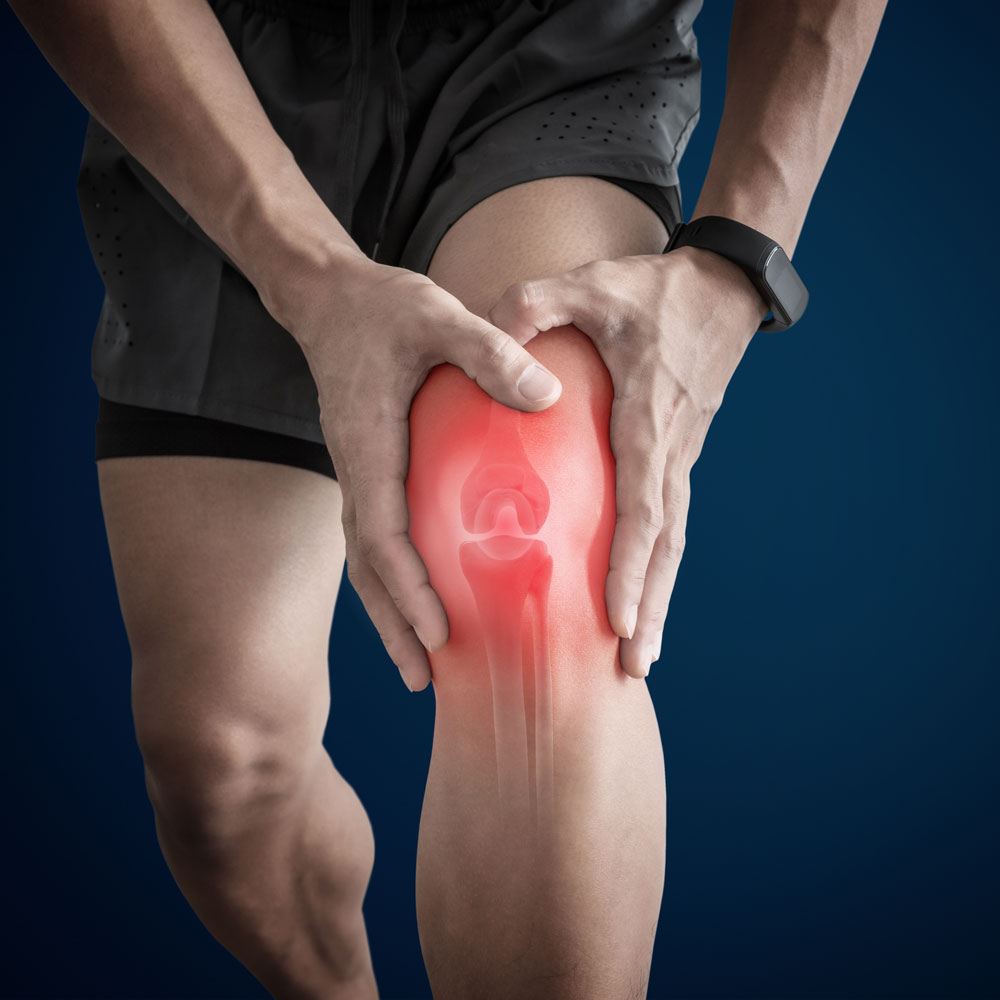
Knee pain is a broad symptom that may result from muscles, tendons, ligaments, cartilage, joint irritation, or surrounding structures. Knee arthritis involves degenerative changes within the joint, while overuse injuries may develop when repeated activity places more stress on tissues than they can comfortably tolerate.
These conditions can occur separately or together, which is why two patients may both arrive with knee pain while having very different underlying problems. An appropriate evaluation can help determine which factors may be contributing and which treatment approach makes the most sense.
When Knee Pain Needs Medical Attention
Most musculoskeletal knee pain is not a medical emergency, but certain symptoms should be evaluated promptly.
Seek medical attention if knee pain follows significant trauma, you cannot bear weight on the affected leg, the knee appears visibly deformed, or you develop severe swelling, redness, warmth, fever, locking, or rapidly worsening weakness. A sudden injury accompanied by a loud pop, immediate swelling, or significant instability may also require additional medical evaluation.
Frequently Asked Questions
Can a chiropractor help with knee pain?
Chiropractic care may be one part of a conservative treatment plan for certain types of musculoskeletal knee pain. Whether chiropractic or extremity treatment is appropriate depends on the cause of the problem, knee mobility, strength, previous injuries, health history, and examination findings. At Whole Family Chiropractic, we evaluate each patient individually before recommending care.
What causes knee pain when going up or down stairs?
Pain on stairs may be associated with joint irritation, kneecap mechanics, muscle weakness, tendon problems, arthritis, or altered movement involving the hips, knees, ankles, or feet. Because several structures are involved, an examination can help determine what may be contributing to the painful movement.
Can hip or foot problems contribute to knee pain?
Yes. The hip, knee, ankle, and foot function as part of the same movement chain. Changes in strength, mobility, alignment, or mechanics above or below the knee can sometimes increase stress on the joint and surrounding tissues.
Do I need an X-ray or MRI for knee pain?
Not every patient needs imaging. Evaluation typically begins with your health history, movement, strength, symptoms, and physical examination. X-rays may provide information about arthritis, joint-space changes, fractures, or other structural findings, while an MRI may be recommended when ligaments, cartilage, tendons, or other soft tissues need to be evaluated more directly.
Can knee pain improve without surgery?
Yes. Many musculoskeletal knee problems can improve with conservative treatment and do not require surgery. Depending on the cause, care may include activity modification, rehabilitation, strengthening, mobility work, chiropractic or extremity care when appropriate, and other supportive approaches.
Ready to get help with your knee pain?
If you are searching for knee pain treatment in Anchorage, a chiropractor for knee pain, help with knee stiffness or mobility, or conservative care for arthritis, overuse injuries, and lower-extremity pain, Whole Family Chiropractic is here to help you understand your options.
Our team will evaluate your knee, explain what we find, and recommend the type of care that makes sense for you.
Looking for a great family chiropractor in Anchorage?
Contact us today at 907-562-3060 for an appointment
Whole Family
Chiropractic
Office Hours
Monday, Wednesday & Friday
8:30am – 6pm
Tuesday & Thursday
2pm – 6pm
Saturday & Sunday
Closed