
SI Joint Pain
SI Joint Pain Treatment in
Anchorage, AK
SI joint pain can make surprisingly simple movements difficult. Getting out of a chair, climbing stairs, turning over in bed, standing on one leg, walking uphill, or stepping in and out of the car may cause pain along one side of the lower back, buttock, or pelvis.
At Whole Family Chiropractic in Anchorage, AK, we help patients with sacroiliac joint pain, pelvic discomfort, lower back pain, and related movement problems determine what may be contributing to their symptoms and which conservative treatment options may be appropriate.
Because pain around the SI joint can resemble other lower back, hip, or nerve-related conditions, we look carefully at your spinal and pelvic movement, posture, previous injuries, daily activities, and clinical findings before developing a personalized care plan.
What Is SI Joint Pain?
The sacroiliac joints, commonly called the SI joints, are located where the sacrum at the bottom of your spine connects with the left and right sides of your pelvis. These joints are designed to provide stability while allowing a small amount of movement as forces transfer between your upper body and legs.
SI joint pain can develop when one of these joints or the surrounding tissues becomes irritated or is not moving comfortably. Pregnancy, falls, repetitive stress, differences in movement between the hips and pelvis, prolonged sitting or standing, previous injuries, and certain arthritic conditions may all contribute to discomfort in this region.
Common SI Joint Pain Symptoms
SI joint problems often produce pain on one side of the lower back or buttock. However, symptoms can sometimes spread into nearby areas and resemble other conditions.
- Common symptoms may include:
- Pain along one side of the lower back
- Buttock or pelvic pain
- Discomfort near the back of the hip
- Pain when standing up from a seated position
- Pain climbing stairs or walking uphill
- Discomfort when rolling over in bed
- Pain after prolonged sitting or standing
- Stiffness or difficulty moving comfortably
The location and intensity of SI joint symptoms can vary depending on the structures involved and which activities place stress on the joint.
Because similar symptoms may come from the lumbar spine, hip, muscles, or irritated nerves, determining whether the SI joint is actually contributing to your pain is an important part of the evaluation.
When SI Joint Pain Starts Affecting Your Life
SI joint pain can become especially frustrating because it often appears during movements you perform dozens of times each day. You may begin pushing yourself out of a chair with your arms, avoiding stairs, changing the way you walk, or sleeping only on one side because certain positions aggravate the area.
For active Anchorage residents, SI joint discomfort can also interfere with hiking, skiing, running, exercising, working outdoors, lifting, or navigating uneven and icy surfaces. When pain around your pelvis begins changing how you move, identifying the source can help you make more informed decisions about your care.
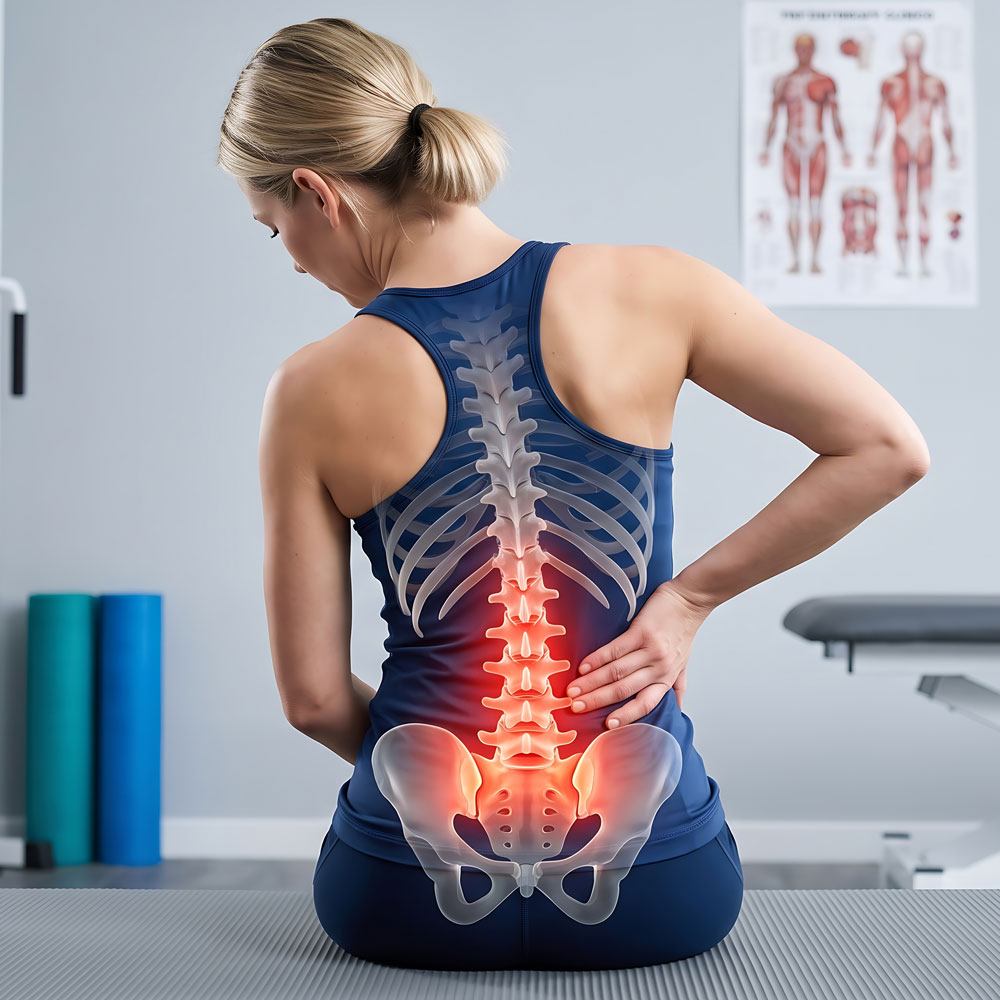
SI Joint Pain Relief in Anchorage
At Whole Family Chiropractic, our chiropractors in Anchorage evaluate how the lower spine, pelvis, hips, and surrounding muscles are working together. We also consider posture, previous injuries, differences in movement from side to side, and activities that consistently reproduce your symptoms.
Depending on your findings, your care plan may include traditional chiropractic care, advanced corrective chiropractic, pelvic and SI joint rehabilitation, mobility and strengthening exercises, supportive therapeutic techniques, or a combination of approaches available within our Anchorage clinic.
Rather than assuming that every pain near the pelvis comes from the SI joint, our goal is to identify the most likely source of your symptoms and build care around your individual findings.
Chiropractic Care for SI Joint Pain
Chiropractic care may be recommended when restricted or uncomfortable movement involving the pelvis, lower spine, or SI joint appears to be contributing to your symptoms.
Whole Family Chiropractic uses multiple chiropractic techniques, allowing our doctors to adapt care based on your examination findings, comfort level, health history, and the specific mechanics involved. Treatment may focus on the lower spine, pelvis, hips, or related areas when clinically appropriate.
Your chiropractor will determine which areas should be treated and whether chiropractic adjustments are appropriate for your particular condition.
Pelvic Stability and SI Joint Rehabilitation
Because the SI joints help transfer forces between the spine and legs, strength and control around the pelvis can be particularly important.
Depending on your condition, rehabilitation may focus on improving hip and core strength, pelvic stability, mobility, balance, and movement patterns that place repeated stress on the painful area. Home exercises may also be recommended to help reinforce improvements between visits.
Your care plan will be based on the movements and activities that appear to be contributing to your symptoms rather than using the same rehabilitation program for every patient.
Advanced Corrective Chiropractic with Chiropractic BioPhysics
For patients whose SI joint symptoms occur alongside significant postural or structural imbalances, our team may recommend advanced corrective chiropractic care using Chiropractic BioPhysics® (CBP).
CBP evaluates spinal alignment, posture, and biomechanics rather than focusing only on the painful area. When clinically appropriate, diagnostic X-rays and postural analysis may help identify structural patterns that influence how weight and forces are distributed through the lower spine and pelvis.
A customized corrective plan may incorporate Mirror Image® adjustments, corrective exercises, traction, and home recommendations designed around your individual findings.
SI Joint Rehabilitation and Supportive Care
Persistent SI joint pain can change the way you walk, stand, bend, or shift your weight as your body tries to avoid irritating the painful side.
Depending on your needs, care may include physical rehabilitation and supportive therapies available within our Anchorage clinic. Whole Family Chiropractic offers a comprehensive physical medicine program that can incorporate chiropractic care, rehabilitation, mobility work, strengthening, and therapeutic techniques based on each patient’s individual needs.
Our goal is to help you move more comfortably, improve stability, and return to normal daily activities with greater confidence.
SI Joint Pain, Lower Back Pain, and Sciatica
These conditions can feel very similar, but they are not exactly the same.
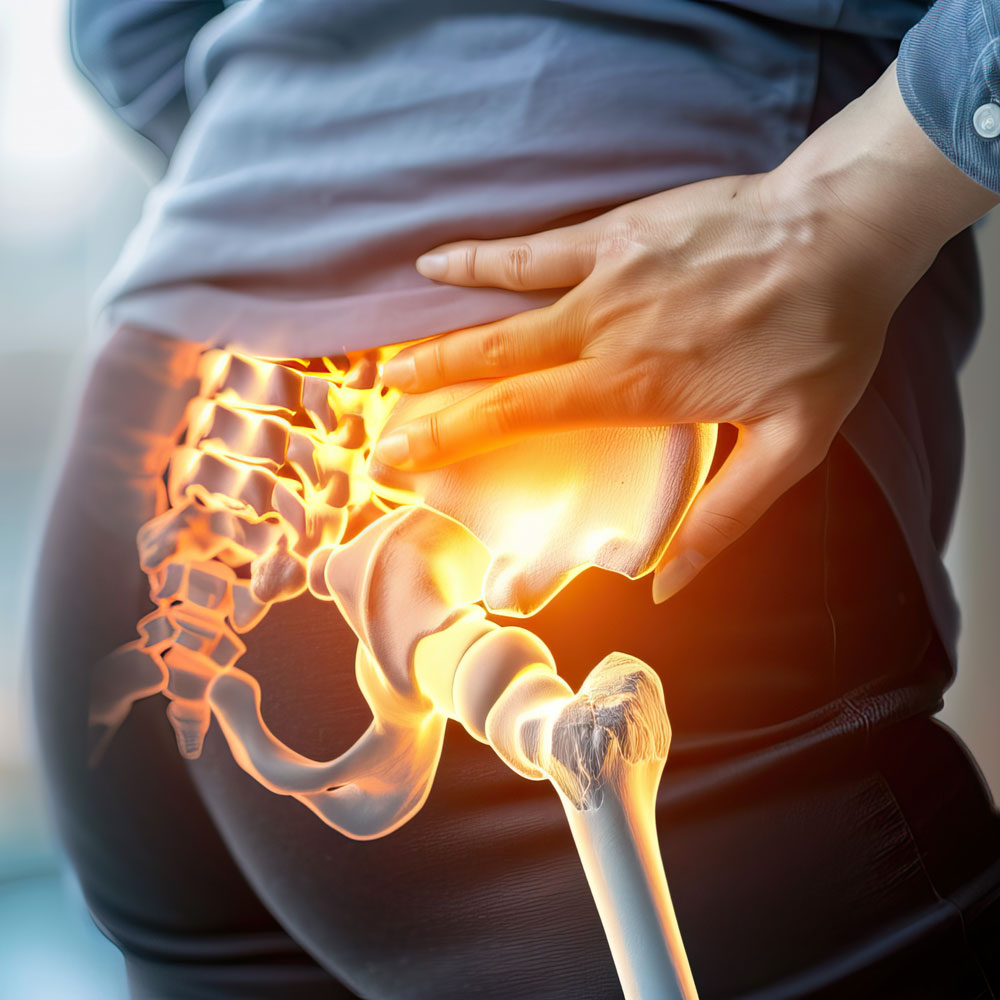
SI joint pain usually originates near the connection between the sacrum and pelvis and commonly causes discomfort along one side of the lower back or buttock. Lower back pain may come from spinal joints, muscles, discs, nerves, or other structures. Sciatica typically involves irritation of nerves that can produce pain, tingling, numbness, or weakness traveling farther down the leg.
SI joint discomfort can sometimes spread into the buttock or upper leg and resemble sciatica, which is one reason symptoms alone may not clearly identify the source. An examination can help determine whether the SI joint, lumbar spine, hip, irritated nerves, or a combination of factors may be contributing.
When SI Joint Pain Needs Medical Attention
Most musculoskeletal SI joint pain is not a medical emergency, but certain symptoms should receive prompt medical evaluation.
Seek urgent medical attention if pain follows significant trauma, you develop new loss of bladder or bowel control, numbness around the groin or inner thighs, rapidly worsening weakness, severe difficulty walking, or significant neurological symptoms. Severe pelvic or back pain accompanied by fever, unexplained illness, or other concerning symptoms should also be medically evaluated.
Frequently Asked Questions
Can a chiropractor help with SI joint pain?
Chiropractic care may be one part of a conservative treatment plan for some patients with sacroiliac joint pain. Whether it is appropriate depends on what is causing the symptoms, how the pelvis and lower spine are moving, your health history, and examination findings. At Whole Family Chiropractic, we evaluate each patient individually before recommending care.
How do I know if my pain is coming from the SI joint?
SI joint pain often occurs near one side of the lower back or buttock and may worsen when standing from a chair, climbing stairs, turning in bed, walking, or placing more weight on one leg. However, lumbar spine and hip problems can cause similar symptoms, so an examination is often needed to better identify the source.
Can SI joint pain feel like sciatica?
Yes. SI joint irritation can sometimes cause pain that spreads into the buttock or upper portion of the leg and may resemble sciatica. True sciatica generally involves irritation of spinal nerve roots and may extend farther down the leg with numbness, tingling, burning, or weakness.
Do I need an X-ray or MRI for SI joint pain?
Not every patient needs imaging. Evaluation typically begins with your health history, location of symptoms, movement, strength, neurological findings, and physical examination. X-rays or other imaging may be recommended when additional information about the pelvis, spine, joints, or surrounding structures is clinically necessary.
Can SI joint pain improve without surgery?
Yes. Many cases of musculoskeletal SI joint pain are managed conservatively and do not require surgery. Depending on the cause, conservative care may include activity modification, rehabilitation, strengthening, mobility work, chiropractic care when appropriate, and other supportive treatments.
Ready to get help with your SI joint pain?
If you are searching for SI joint pain treatment in Anchorage, a chiropractor for sacroiliac joint pain, help with buttock or pelvic pain, or conservative care for recurring lower back and SI joint discomfort, Whole Family Chiropractic is here to help you understand your options.
Our team will evaluate your condition, explain what we find, and recommend the type of care that makes sense for you.
Looking for a great family chiropractor in Anchorage?
Contact us today at 907-562-3060 for an appointment
Whole Family
Chiropractic
Office Hours
Monday, Wednesday & Friday
8:30am – 6pm
Tuesday & Thursday
2pm – 6pm
Saturday & Sunday
Closed