Herniated Disc
Herniated Disc Treatment in
Anchorage, AK
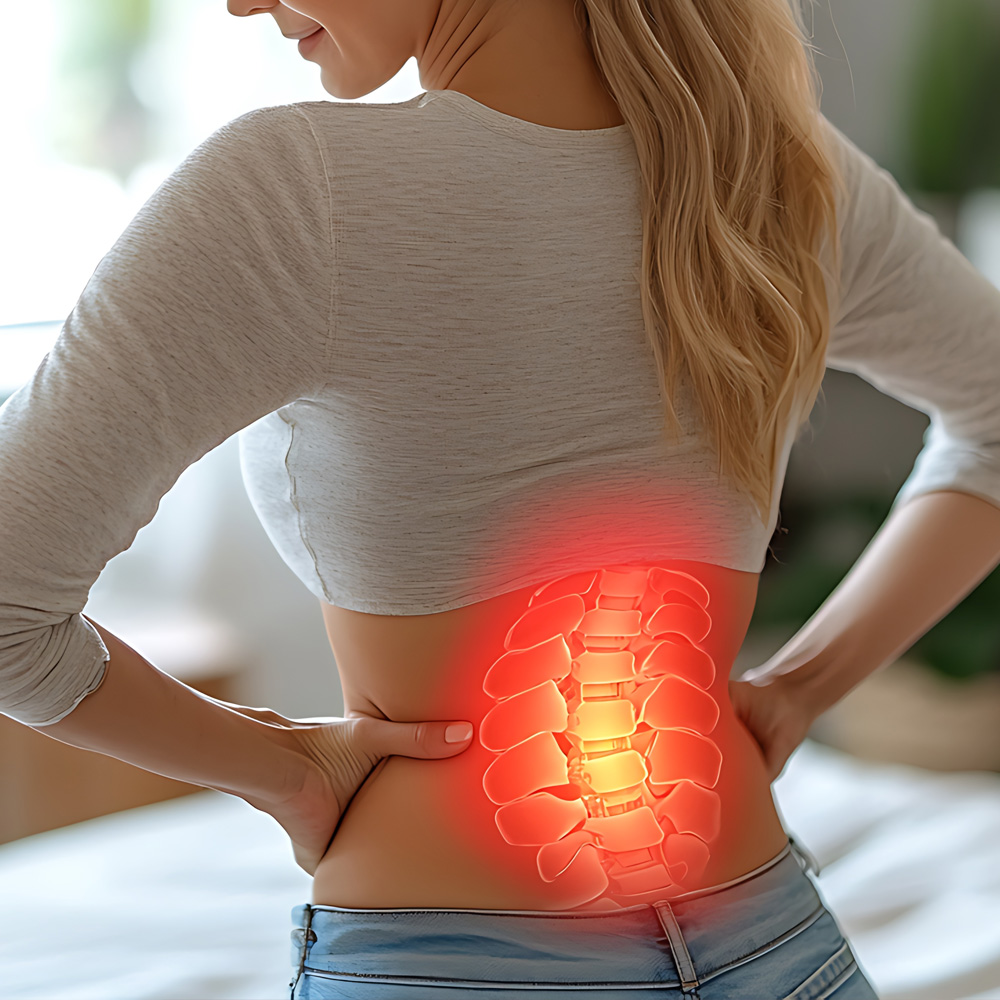
A herniated disc can turn everyday movement into something you constantly have to think about. Sitting at work, getting out of bed, driving, bending, lifting, exercising, or even coughing and sneezing may trigger pain that travels through your back, neck, arms, or legs.
At Whole Family Chiropractic in Anchorage, AK, we help patients with herniated discs, bulging discs, sciatica, and other disc-related problems understand what may be contributing to their symptoms and what treatment options may be appropriate.
Our approach goes beyond simply chasing pain. We evaluate your spine, posture, movement, nerve-related symptoms, and health history so we can create a personalized plan designed to improve mobility, reduce irritation, and support better spinal function.
What Is a Herniated Disc?
Between the bones of your spine are flexible spinal discs that act as cushions and help your back and neck move. Each disc has a softer center surrounded by a tougher outer layer. A herniated disc occurs when material from the center pushes through a weakened or damaged area of the outer portion of the disc.
You may also hear terms such as slipped disc, ruptured disc, protruding disc, bulging disc, or herniated disk. Herniated discs most commonly affect the lumbar spine, or lower back, and the cervical spine, or neck. Symptoms depend on the location of the disc and whether nearby nerves are irritated or compressed.
Common Herniated Disc Symptoms
Some disc problems cause little or no discomfort. Others can create significant pain and nerve symptoms.
Common symptoms may include:
- Lower back pain
- Neck pain or stiffness
- Sciatica or pain traveling into the buttock and leg
- Pain traveling into the shoulder, arm, hand, or fingers
- Numbness, tingling, or burning nerve pain
- Muscle weakness
- Pain that worsens with sitting, bending, lifting, coughing, or certain movements
- Reduced mobility or difficulty getting comfortable
The location and severity of symptoms can vary significantly depending on which area of the spine and which nerves are involved.
When these symptoms continue, it is important to determine whether the problem involves the disc itself, irritated nerves, joint mechanics, posture, muscle imbalance, or a combination of factors.
When a Disc Problem Starts Affecting Your Life
Disc pain can change the way you move long before you realize how much it is affecting you. You may stop exercising because you are afraid of aggravating your back, struggle through a workday at a desk, avoid lifting your children, or wake up because you cannot find a comfortable sleeping position.
For active Anchorage residents, disc-related pain can also make hiking, skiing, fishing, working outdoors, training at the gym, or simply keeping up with family more difficult. You should not have to organize your entire day around your back or neck pain.
Herniated Disc Relief in Anchorage
At Whole Family Chiropractic, our chiropractors in Anchorage evaluate more than the location of your pain. We look at how your spine is moving, your posture, neurological symptoms, previous injuries, daily activities, and structural patterns that may be placing additional stress on the affected area.
Depending on your findings, your care plan may include traditional chiropractic care, advanced corrective chiropractic, physical rehabilitation, cervical or lumbar disc decompression, traction-based therapies, or a combination of approaches available within our Anchorage clinic.
The goal is not to force every patient into the same treatment. It is to determine which type of care makes sense for your specific condition and goals.
Chiropractic Care for Herniated and Bulging Discs
Traditional chiropractic care may be recommended when improving joint movement, reducing stiffness, and helping you move more comfortably are primary goals.
Whole Family Chiropractic uses multiple chiropractic techniques, allowing our doctors to adjust care based on the patient, location of the problem, comfort level, and clinical findings. When a disc problem involves significant irritation, not every patient should be treated the same way.
Your chiropractor will determine whether an adjustment is appropriate and which techniques should be used.
Cervical and Lumbar Disc Decompression
Whole Family Chiropractic offers both cervical intervertebral disc decompression and lumbar intervertebral disc decompression as part of our physical medicine services.
Disc decompression is a non-surgical approach designed to gently reduce mechanical pressure in targeted areas of the spine. Depending on your condition, it may be incorporated into a broader care plan for patients dealing with herniated discs, bulging discs, sciatica, disc-related back pain, or nerve-related neck pain.
Your doctor will determine whether spinal decompression is appropriate after evaluating your symptoms and clinical findings.
Advanced Corrective Chiropractic with Chiropractic BioPhysics
For patients whose disc symptoms occur alongside significant postural or structural problems, our team may recommend advanced corrective chiropractic care using Chiropractic BioPhysics® (CBP).
CBP focuses on spinal alignment, posture, and biomechanics rather than symptoms alone. When clinically appropriate, your evaluation may include diagnostic X-rays and postural analysis to identify structural patterns that may be contributing to recurring stress on the spine.
A customized corrective plan may incorporate Mirror Image® adjustments, corrective exercises, traction, and home recommendations designed around your individual findings.
Disc Rehabilitation and Supportive Care
Disc-related pain can also affect muscles and movement patterns as your body begins compensating to avoid discomfort.
Depending on your needs, care may include physical rehabilitation and supportive therapies available within our Anchorage clinic. Whole Family Chiropractic offers a comprehensive physical medicine program that can incorporate chiropractic care, rehabilitation, traction, and therapeutic techniques based on each patient’s individual needs.
Our goal is to help you regain mobility, improve function, and return to normal daily activity with greater confidence.
Herniated Disc, Bulging Disc, and Sciatica
These conditions are closely related, but they are not exactly the same.
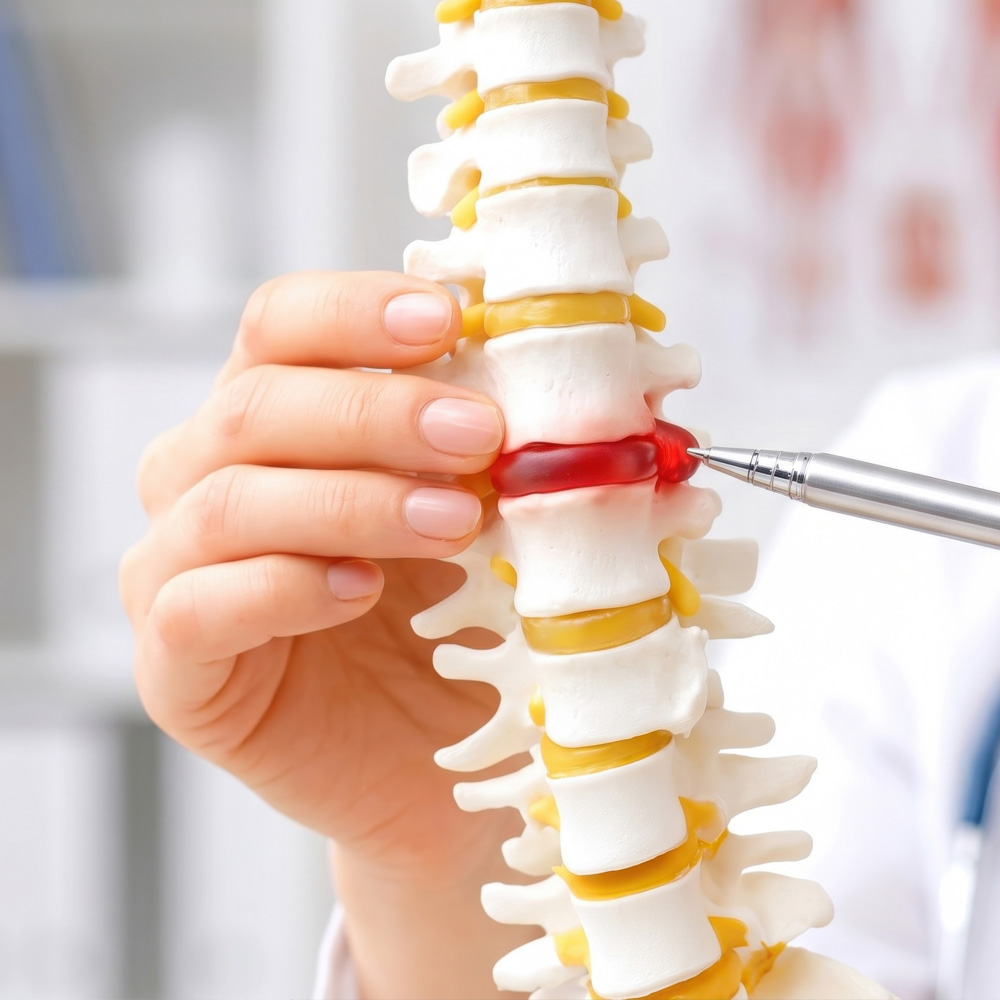
A bulging or herniated disc describes a physical change involving one of the spinal discs. Sciatica describes symptoms involving the sciatic nerve, commonly including pain that travels from the lower back or buttock into the leg. A lumbar herniated disc can irritate a spinal nerve and produce sciatica symptoms, including pain, tingling, numbness, or weakness in the leg or foot.
That is why an accurate evaluation matters. Two patients may both arrive with lower back and leg pain while having different underlying problems and requiring different approaches to care.
When Herniated Disc Symptoms Need Urgent Medical Attention
Most herniated-disc symptoms are not medical emergencies, but certain neurological changes should always be taken seriously.
Seek urgent medical attention if you develop new loss of bladder or bowel control, numbness around the inner thighs or groin area, rapidly worsening weakness, or severe neurological symptoms that make it difficult to stand or walk. These symptoms can indicate serious nerve compression and require prompt medical evaluation.
Frequently Asked Questions
Can a chiropractor help with a herniated disc?
Chiropractic care may be one part of a conservative treatment plan for some patients with disc-related back or neck pain. Whether chiropractic treatment is appropriate depends on the location and severity of the disc problem, neurological symptoms, health history, and examination findings. At Whole Family Chiropractic, we evaluate each patient individually before recommending care.
What is the difference between a bulging disc and a herniated disc?
A bulging disc generally refers to a disc extending outward beyond its normal boundary, while a herniation involves material from inside the disc pushing through a weakened or damaged portion of its outer layer. Because symptoms can overlap, determining exactly what is contributing to your pain may require a physical examination and, in some cases, diagnostic imaging.
Can a herniated disc cause sciatica?
Yes. A lumbar herniated disc can irritate or compress a nerve root and cause sciatica symptoms, including pain, tingling, numbness, burning, or weakness that travels from the lower back or buttock into the leg.
Do I need an MRI for a herniated disc?
Not every patient needs an MRI immediately. Your evaluation begins with your symptoms, health history, movement, strength, sensation, reflexes, and other appropriate clinical tests. X-rays can provide information about the structure and alignment of the spine, while an MRI may be recommended when the spinal discs, nerves, and other soft tissues need to be evaluated more directly.
Can a herniated disc improve without surgery?
Yes. Many people with herniated discs improve with time and conservative treatment and never require surgery. Surgery may be considered when significant symptoms persist despite conservative treatment or when serious neurological problems are present.
Ready to get help with your herniated disc?
If you are searching for herniated disc treatment in Anchorage, a chiropractor for a bulging disc, spinal decompression in Anchorage, or help with sciatica and nerve pain, Whole Family Chiropractic is here to help you understand your options.
Our team will evaluate your condition, explain what we find, and recommend the type of care that makes sense for you.
Looking for a great family chiropractor in Anchorage?
Contact us today at 907-562-3060 for an appointment
Whole Family
Chiropractic
Office Hours
Monday, Wednesday & Friday
8:30am – 6pm
Tuesday & Thursday
2pm – 6pm
Saturday & Sunday
Closed
