
Blogs & Articles
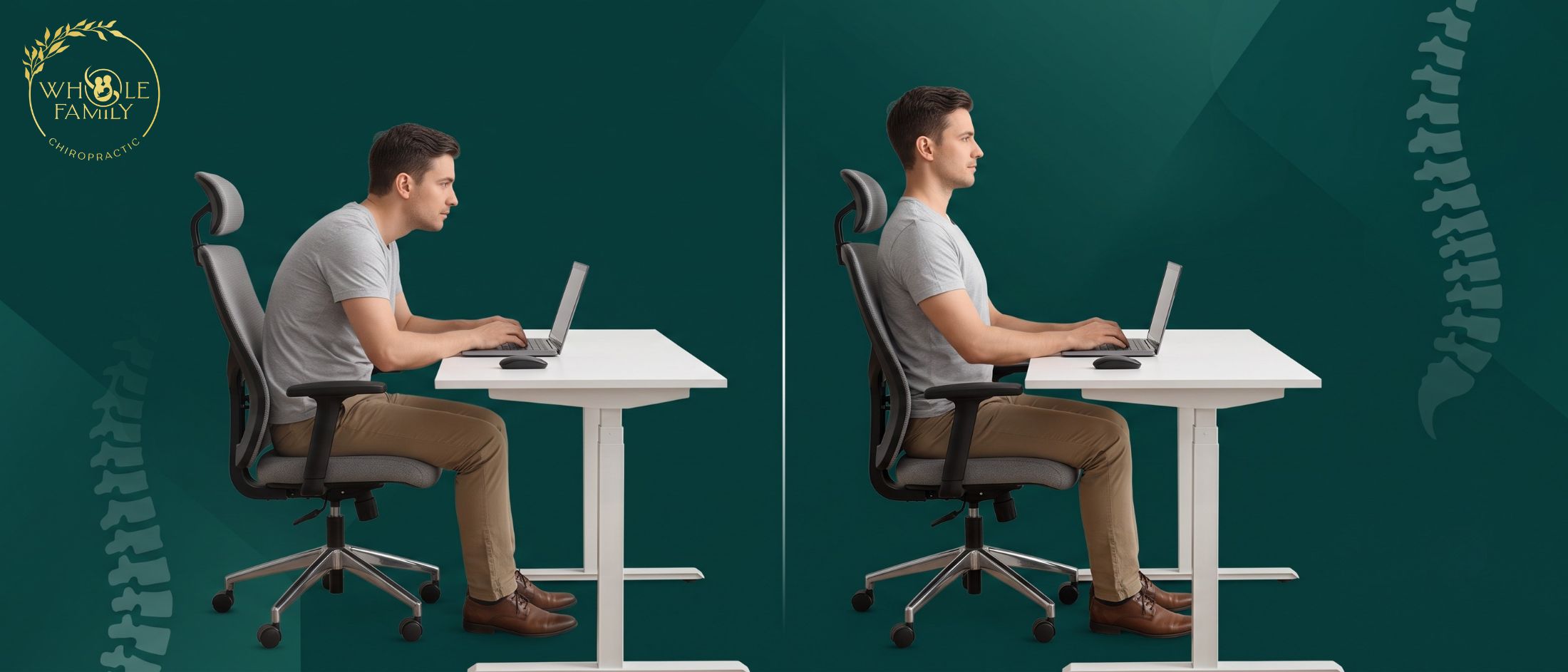
How to Stop Slouching and Improve Your Posture
Have you ever caught yourself slouching? Your neck bends forward, your shoulders round, and before long it starts to feel normal.
Although slouching may feel comfortable at first, it can gradually affect your physical health, confidence, and even your professional life.
Good posture is essential for staying healthy and moving comfortably. The following tips can help you stop slouching, improve your posture, and build healthier daily habits over time.
Understanding Posture
Good posture helps maintain proper alignment throughout your body, allowing your muscles, ligaments, and joints to work together efficiently.
When you slouch, your head, shoulders, and spine gradually shift out of alignment, placing extra stress on the muscles that support your neck, upper back, and lower back.
Many people develop a slouching habit after spending long hours sitting at a desk, looking down at phones, driving, or performing repetitive tasks.
Over time, weak postural muscles, tight chest muscles, and poor workstation ergonomics can make maintaining good posture more difficult.
Understanding what contributes to slouching is the first step toward recognizing the habit and making lasting improvements.
What Does Good Posture Look Like?
Good posture should feel comfortable and balanced rather than stiff or strained. Your shoulders should be back, your chest lifted slightly, your head centered directly over your spine, and your lower body relaxed.
When standing, your weight should be distributed evenly between both feet. Your legs and arms should remain relaxed, with a slight natural curve in your lower back.
If your posture differs noticeably from this natural alignment, it may be a sign of poor posture.
Common signs include:
– Rounded shoulders.
– A protruding abdomen (potbelly).
– Bent knees when standing or walking.
– A head that leans forward or backward.
Poor posture may also contribute to symptoms such as back pain, headaches, muscle fatigue, and general body aches.
Recognizing these signs early can help you take steps to improve your posture before poor habits become more difficult to change.
Daily Habits to Stop Slouching
Strengthen Muscles
One of the most effective ways to stop slouching is by strengthening the muscles that support proper posture while improving flexibility in tight areas.
Exercises such as rows, wall angels, and scapular squeezes can help strengthen the upper back and shoulder muscles, while gentle chest stretches may reduce tightness that encourages rounded shoulders.
Pilates and yoga are also excellent options for improving core strength, balance, flexibility, and overall postural awareness.
Watch: Exercises to Help Stop Slouching
If you’d like to see these posture exercises demonstrated step by step, the following video provides a helpful visual guide.
It complements the strengthening and stretching techniques discussed above and can help you practice proper form more confidently.
Adjust Your Workspace
When sitting at a desk or computer station, make sure your monitor is at eye level so you don’t have to bend your neck or slouch forward.
Your chair should be at the correct height so that your knees and hips are level and feet can rest comfortably on the floor. If necessary, use a footrest to support your legs and lower back while sitting.
Take Breaks
Remaining in the same position for long periods allows muscles to tighten and makes slouching more likely.
Try standing up, stretching, or walking for a few minutes every 30 to 60 minutes, especially if you spend most of your day sitting.
Setting a reminder on your phone or computer can make it easier to build healthier posture habits throughout the day.
Be Mindful
Pay attention to how you position your body throughout the day, especially when sitting, standing, or using your phone or computer.
When you notice yourself slouching, gently reset your posture by relaxing your shoulders and aligning your ears over your shoulders.
Then, lightly engage your core to help maintain proper alignment without creating excessive tension.
The more often you recognize and correct slouching, the easier maintaining good posture becomes over time.
Good posture is built through consistent daily habits rather than constant effort, so small corrections made throughout the day can lead to meaningful long-term improvements.
How Chiropractic BioPhysics Can Help Slouching
If healthy habits, posture exercises, and ergonomic improvements are not enough to improve persistent slouching, chiropractic care may provide additional support.
Chiropractic BioPhysics (CBP) is a specialized chiropractic approach that focuses on improving spinal alignment, posture, and overall body mechanics.
By evaluating your posture and movement patterns, a chiropractor can identify factors that may be contributing to slouching and recommend personalized care.
Depending on your needs, treatment may include gentle chiropractic adjustments, posture-specific exercises, and guidance to support healthier posture habits.
For the best results, chiropractic care should complement consistent strengthening, stretching, and daily posture awareness rather than replace them.
How Long Does It Take to Improve Slouching?
Improving slouching takes time and consistency. Many people begin noticing better posture awareness within a few weeks.
More noticeable improvements often take several weeks or months of consistent exercise, stretching, ergonomic adjustments, and healthy daily habits.
Make an Appointment with Whole Family Chiropractic
At Whole Family Chiropractic, we understand the importance of good posture and offer a number of services to help you break the slouching habit and stay in balance.
Our certified CBP practitioners are experienced in helping patients improve their spine alignment, posture and overall health. Contact us today to learn more about how chiropractic care can help you achieve better balance!
