
Pinched Nerve
Pinched Nerve Treatment in
Anchorage, AK
A pinched nerve can make even simple movements uncomfortable and unpredictable. Turning your head, sitting at a desk, standing for long periods, lifting, driving, sleeping, or exercising may trigger pain that travels from your neck into your shoulder and arm or from your lower back into your buttock and leg.
At Whole Family Chiropractic in Anchorage, AK, we help patients experiencing pinched nerves, radiating pain, numbness, tingling, sciatica, and other nerve-related symptoms understand what may be contributing to their discomfort and what treatment options may be appropriate.
Our approach goes beyond simply treating where you feel the pain. We evaluate your spine, posture, movement, neurological symptoms, health history, and structural patterns so we can identify areas that may be placing stress on irritated nerves and create a personalized plan designed to improve mobility, reduce irritation, and support better spinal function.
What Is a Pinched Nerve?
A pinched nerve occurs when a nerve becomes compressed, irritated, or placed under excessive pressure by surrounding structures.
Within the spine, this pressure may come from a bulging or herniated disc, degenerative disc changes, arthritis, bone spurs, spinal stenosis, inflammation, altered joint mechanics, or other structural changes that reduce the space available for a spinal nerve.
Pinched nerves commonly occur in the cervical spine, or neck, and the lumbar spine, or lower back.
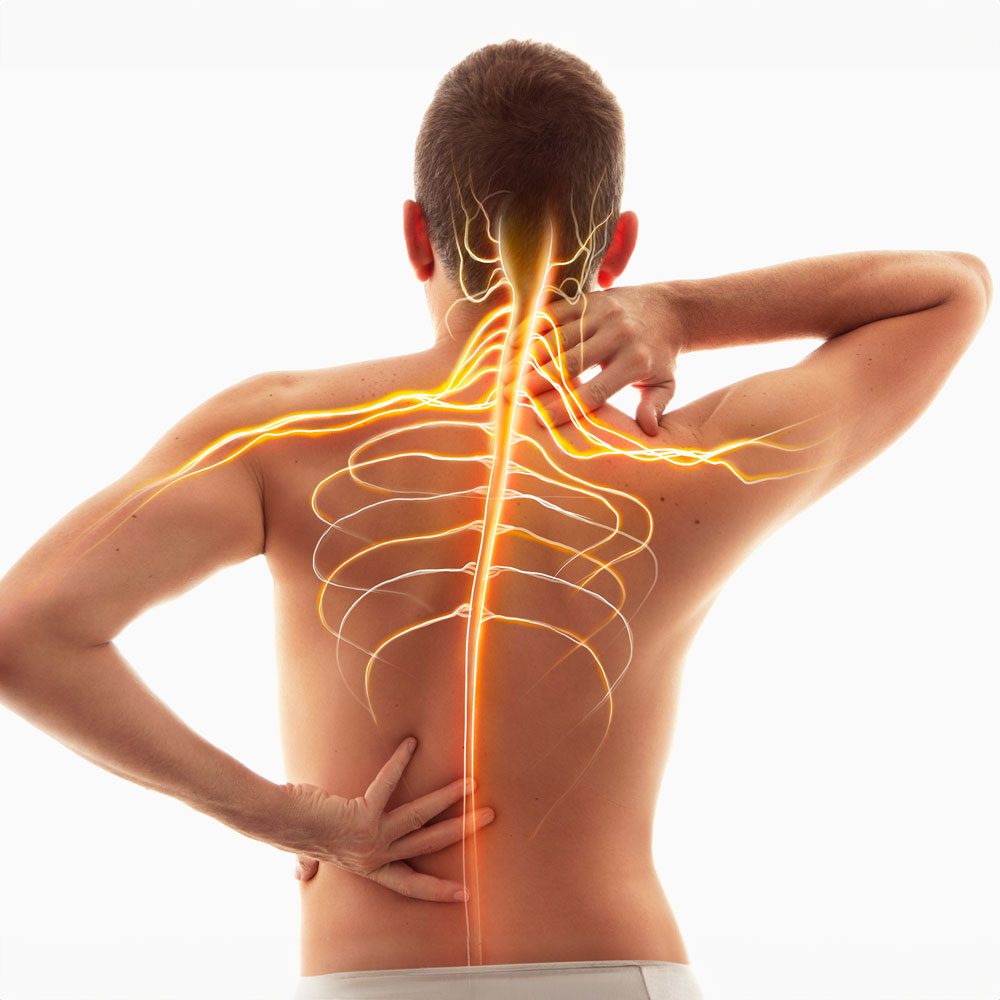
When a nerve in the neck becomes irritated, symptoms may travel into the shoulder, arm, hand, or fingers. When a nerve in the lower back becomes irritated, symptoms may travel into the buttock, thigh, leg, or foot.
The location of your symptoms can provide important clues about which nerve may be involved.
Common Pinched Nerve Symptoms
A pinched nerve can cause more than localized neck or back pain.
Common symptoms may include:
- Neck pain or stiffness
- Lower back pain
- Pain traveling into the shoulder or arm
- Pain traveling into the buttock or leg
- Numbness or tingling
- Burning, electrical, or shooting pain
- Pins-and-needles sensations
- Muscle weakness
- Reduced grip strength
- Pain that worsens with certain movements or positions
- Sciatica-like symptoms
- Difficulty finding a comfortable sleeping or sitting position
Some people experience constant symptoms, while others notice discomfort only during certain movements, positions, or activities.
Because numbness, tingling, and radiating pain can have several possible causes, it is important to determine whether symptoms are coming from a spinal nerve, peripheral nerve, disc problem, joint issue, muscle irritation, or another condition.
When a Pinched Nerve Starts Affecting Your Life
Nerve pain can quickly change the way you move.
You may avoid turning your head while driving because pain shoots into your arm. Sitting at your computer may cause your hand to tingle. Walking or standing may aggravate pain traveling into your leg. You may wake up at night because your arm or leg becomes numb or uncomfortable.
For active Anchorage residents, nerve irritation can also make hiking, skiing, fishing, hunting, exercising, working outdoors, lifting equipment, or simply keeping up with your family more difficult.
Many people begin adjusting their movements without realizing it, shifting positions, avoiding certain activities, or relying more heavily on the opposite side of their body.
When nerve symptoms continue or begin interfering with your strength, mobility, sleep, work, or daily activities, it is important to determine what is causing the irritation.
Pinched Nerve Relief in Anchorage
At Whole Family Chiropractic, our chiropractors in Anchorage evaluate more than the area where you feel pain or tingling.
We look at spinal movement, posture, neurological symptoms, muscle strength, sensation, previous injuries, daily activities, and structural patterns that may be contributing to nerve irritation.
Depending on your findings, your care plan may include traditional chiropractic care, advanced corrective chiropractic, physical rehabilitation, cervical or lumbar disc decompression, traction-based therapies, supportive therapeutic techniques, or a combination of approaches available within our Anchorage clinic.
The goal is not to assume that every numb arm or painful leg comes from the same source.
Instead, we work to identify the structures involved and determine which type of conservative care makes sense for your specific condition and goals.
Chiropractic Care for Pinched Nerves
Chiropractic care may be recommended when restricted joint movement, spinal mechanics, stiffness, or other musculoskeletal factors appear to be contributing to irritation around a nerve.
Whole Family Chiropractic uses multiple chiropractic techniques, allowing our doctors to modify care based on the patient, location of the problem, severity of symptoms, comfort level, and clinical findings.
Some patients may benefit from traditional chiropractic adjustments, while others may require gentler or low-force approaches.
When a pinched nerve is associated with significant disc irritation, spinal stenosis, degeneration, or neurological symptoms, the appropriate treatment approach becomes especially important.
Your chiropractor will determine whether an adjustment is appropriate and which techniques should be used.
Cervical and Lumbar Disc Decompression
Whole Family Chiropractic offers both cervical intervertebral disc decompression and lumbar intervertebral disc decompression as part of our physical medicine services.
Disc decompression is a non-surgical approach designed to gently reduce mechanical pressure in targeted areas of the spine.
Depending on the cause of your nerve irritation, decompression may be incorporated into a broader care plan for patients experiencing pinched nerves related to bulging or herniated discs, degenerative disc disease, sciatica, disc-related neck or back pain, and certain other conditions involving mechanical nerve pressure.
Cervical decompression may be considered when symptoms travel from the neck into the shoulder, arm, or hand, while lumbar decompression may be considered when symptoms travel from the lower back into the buttock, leg, or foot.
Your doctor will determine whether spinal decompression is appropriate after evaluating your symptoms and clinical findings.
Advanced Corrective Chiropractic with Chiropractic BioPhysics
For patients whose pinched nerve symptoms occur alongside significant postural or structural changes, our team may recommend advanced corrective chiropractic using Chiropractic BioPhysics® (CBP).
CBP focuses on spinal alignment, posture, and biomechanics rather than symptoms alone.
When clinically appropriate, diagnostic X-rays and postural analysis may be used to identify structural patterns that could be changing how forces are distributed throughout the spine.
Forward head posture, altered spinal curves, uneven weight distribution, or other structural changes may contribute to mechanical stress in areas where nerves are already irritated.
A customized corrective plan may incorporate Mirror Image® adjustments, corrective exercises, traction, and home recommendations based on your individual findings.
Rehabilitation and Supportive Care for Nerve Irritation
When nerve pain continues, your body may begin compensating by changing the way you sit, stand, walk, or use your arms and legs.
Over time, these altered movement patterns can contribute to stiffness, weakness, muscle imbalance, and reduced mobility.
Depending on your needs, care may include physical rehabilitation and supportive therapies available within our Anchorage clinic.
Rehabilitation may focus on restoring mobility, strengthening supporting muscles, improving movement patterns, and helping you gradually return to normal activity.
Whole Family Chiropractic offers a comprehensive physical medicine program that can incorporate chiropractic care, rehabilitation, traction, and therapeutic techniques based on each patient’s individual needs.
Our goal is to help you improve function, move with greater confidence, and reduce the mechanical factors that may be contributing to recurring nerve irritation.
Pinched Nerve, Sciatica, and Radiculopathy
These terms are related, but they do not mean exactly the same thing.

A pinched nerve is a general term used to describe a nerve that is compressed or irritated.
Radiculopathy refers to symptoms caused by irritation or compression of a spinal nerve root. Depending on which nerve is involved, radiculopathy may cause pain, numbness, tingling, or weakness that travels into an arm or leg.
Sciatica describes symptoms involving the sciatic nerve or the nerve roots that contribute to it. These symptoms commonly travel from the lower back or buttock into the leg.
A herniated disc, degenerative disc disease, spinal stenosis, arthritis, or other structural changes can contribute to nerve-root irritation and produce these symptoms.
That is why an accurate evaluation matters. Two patients may both describe having a “pinched nerve” while having completely different underlying causes and requiring different approaches to care.
When Pinched Nerve Symptoms Need Urgent Medical Attention
Many pinched nerves can be managed conservatively, but certain neurological symptoms require prompt medical attention.
Seek urgent medical evaluation if you develop new loss of bladder or bowel control, numbness around the inner thighs or groin area, rapidly worsening muscle weakness, severe difficulty standing or walking, or sudden loss of coordination.
Progressive weakness in an arm or leg, significant loss of grip strength, increasing balance problems, or neurological symptoms following a serious injury should also be evaluated promptly.
These symptoms may indicate significant nerve or spinal cord compression and should not be ignored.
Frequently Asked Questions
Can a chiropractor help with a pinched nerve?
Chiropractic care may be one part of a conservative treatment plan for some patients with nerve-related neck or back pain. Whether chiropractic treatment is appropriate depends on what is causing the nerve irritation, where the problem is located, the severity of neurological symptoms, your health history, and examination findings. At Whole Family Chiropractic, each patient is evaluated individually before treatment is recommended.
What causes a pinched nerve?
A pinched nerve can develop when surrounding tissues place excessive pressure or irritation on a nerve. Within the spine, common contributing factors may include a bulging or herniated disc, degenerative disc disease, arthritis, bone spurs, spinal stenosis, inflammation, or altered joint mechanics.
How do I know if I have a pinched nerve?
Symptoms such as radiating pain, numbness, tingling, burning sensations, pins-and-needles, or muscle weakness may suggest nerve irritation. However, these symptoms can have multiple causes. A clinical evaluation can help determine whether your symptoms are coming from a spinal nerve, peripheral nerve, muscle, joint, or another condition.
Can a pinched nerve cause numbness and tingling?
Yes. Numbness, tingling, burning, or pins-and-needles sensations are common symptoms when a sensory nerve or spinal nerve root becomes irritated or compressed. The location of these sensations often depends on which nerve is involved.
Can a pinched nerve cause muscle weakness?
Yes. When a nerve responsible for controlling certain muscles becomes significantly irritated or compressed, weakness may develop. New or worsening weakness should be evaluated, especially when it progresses quickly or affects your ability to walk, grip objects, or perform normal activities.
Is a pinched nerve the same as sciatica?
Not exactly. A pinched nerve is a general description of nerve compression or irritation. Sciatica describes a particular pattern of symptoms involving the sciatic nerve or related nerve roots, typically causing pain, numbness, tingling, or weakness that travels from the lower back or buttock into the leg.
Do I need an MRI for a pinched nerve?
Not every patient needs an MRI immediately. Your evaluation begins with your symptoms, health history, movement, muscle strength, sensation, reflexes, and other appropriate neurological tests. X-rays may provide information about spinal alignment, arthritis, disc-space narrowing, and other structural changes. An MRI may be recommended when the discs, nerves, spinal cord, or other soft tissues need to be evaluated in greater detail.
How long does a pinched nerve take to improve?
Recovery time depends on what is causing the nerve irritation, how long the symptoms have been present, the severity of compression, and whether muscle weakness or other neurological changes are present. Some mild nerve irritations improve relatively quickly, while more significant or longstanding problems may require a longer period of conservative care and rehabilitation.
Can spinal decompression help a pinched nerve?
Spinal decompression may be considered for certain patients when nerve irritation is associated with disc-related mechanical pressure. It is not appropriate for every type of pinched nerve, and your doctor should first determine what is causing the symptoms and whether cervical or lumbar decompression makes sense for your condition.
Ready to get help with a pinched nerve?
If you are searching for pinched nerve treatment in Anchorage, a chiropractor for a pinched nerve, spinal decompression in Anchorage, or help with numbness, tingling, sciatica, radiating arm pain, or leg pain, Whole Family Chiropractic is here to help you understand your options.
Our team will evaluate your condition, explain what we find, and recommend the type of care that makes sense for your symptoms, lifestyle, and goals.
Looking for a great family chiropractor in Anchorage?
Contact us today at 907-562-3060 for an appointment
Whole Family
Chiropractic
Office Hours
Monday, Wednesday & Friday
8:30am – 6pm
Tuesday & Thursday
2pm – 6pm
Saturday & Sunday
Closed