
Blogs & Articles
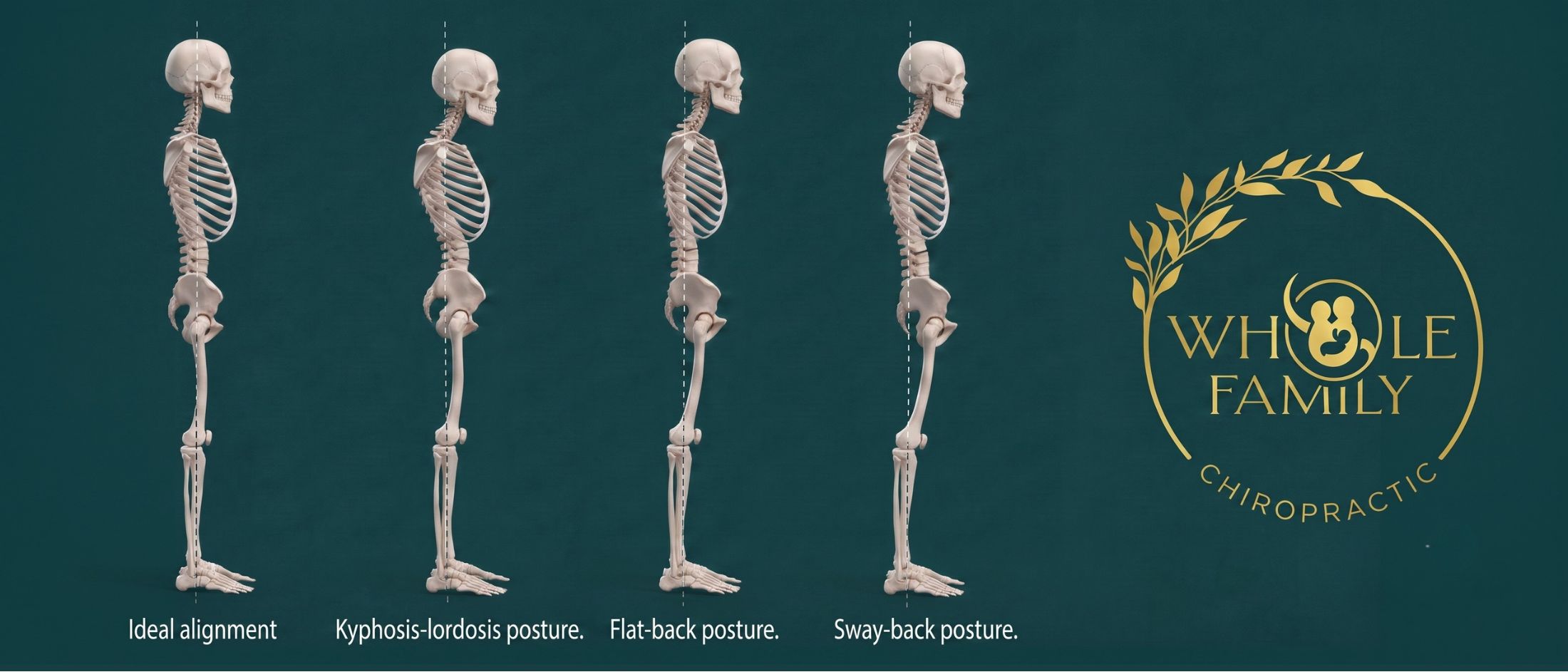
Body Out of Alignment Symptoms: Signs, Causes, and When to Seek Help
Many people experience persistent aches, stiffness, or fatigue without realizing that poor body alignment may be contributing to these symptoms.
While occasional discomfort is common, recurring pain, reduced mobility, tingling, or tension headaches can sometimes indicate your body isn’t moving or functioning as it should.
In this guide, you’ll learn the most common body out of alignment symptoms, how to check for possible misalignment, what may be causing it, and when it’s time to seek professional care.
What Is Body Misalignment?
A body “out of alignment” means the head, shoulders, spine, and hips are no longer properly balanced.
This imbalance places uneven stress on the joints and soft tissues, causing the body to compensate and altering normal movement patterns.
Over time, these compensatory changes may contribute to a variety of symptoms and movement problems.
Common Body Misalignment Symptoms
A body that is out of alignment can cause a variety of symptoms, depending on which joints, muscles, or nerves are affected.
The most common include pain and discomfort, movement and mobility problems, nerve-related symptoms, and fatigue or tension headaches.
Pain and Discomfort
Persistent or recurring pain is one of the most commonly reported symptoms associated with a body that may be out of alignment.
This discomfort can develop in areas such as the neck, back, shoulders, hips, or knees, and may become more noticeable after sitting, standing, or walking for extended periods.
Over time, persistent discomfort may interfere with daily tasks and reduce your overall physical comfort.
Movement and Mobility Problems
A body that is out of alignment may not move as freely as it should. You might experience stiffness or notice a reduced range of motion when turning your head, bending forward, reaching overhead, or twisting your torso.
Rather than causing pain alone, these movement limitations can make everyday tasks, such as reaching for objects, getting in and out of a car, or bending to pick something up, feel more difficult or restricted.
Nerve-Related Symptoms
Nerve-related symptoms of body misalignment may include tingling, numbness, or a “pins and needles” sensation in the arms, hands, legs, or feet.
These symptoms can occur if body misalignment contributes to irritation or compression of nearby nerves. Some people also notice weakness or altered sensation during certain movements or sustained postures.
Because nerve-related symptoms can have many possible causes, they shouldn’t automatically be assumed to result from body misalignment.
Fatigue and Tension Headaches
A body that is out of alignment may contribute to fatigue and recurring tension headaches.
Ongoing muscle strain can place extra demands on the body, leaving you feeling unusually tired even after normal daily activities.
Muscle tightness, particularly around the neck, shoulders, and upper back, may also contribute to recurring tension headaches in some people.
How to Tell If Your Body Is Out of Alignment
Symptoms describe what you feel, but they don’t always tell the full story. Looking at your posture, body symmetry, and movement patterns can provide additional clues about possible body misalignment.
These self-checks aren’t meant to diagnose body misalignment, but they can help you recognize patterns and changes in your body mechanics.
Everyday Signs of Body Misalignment
Small changes in the way you stand, move, or how your clothes fit can sometimes provide clues that your body may be out of alignment.
For example, you might notice one bag strap constantly slipping off your shoulder, your pants seeming longer on one leg, your belt sitting unevenly around your waist, or that you naturally lean more to one side when standing.
The Mirror Test
Stand naturally in front of a full-length mirror and observe your resting posture. Run through this quick checklist to spot noticeable asymmetries:
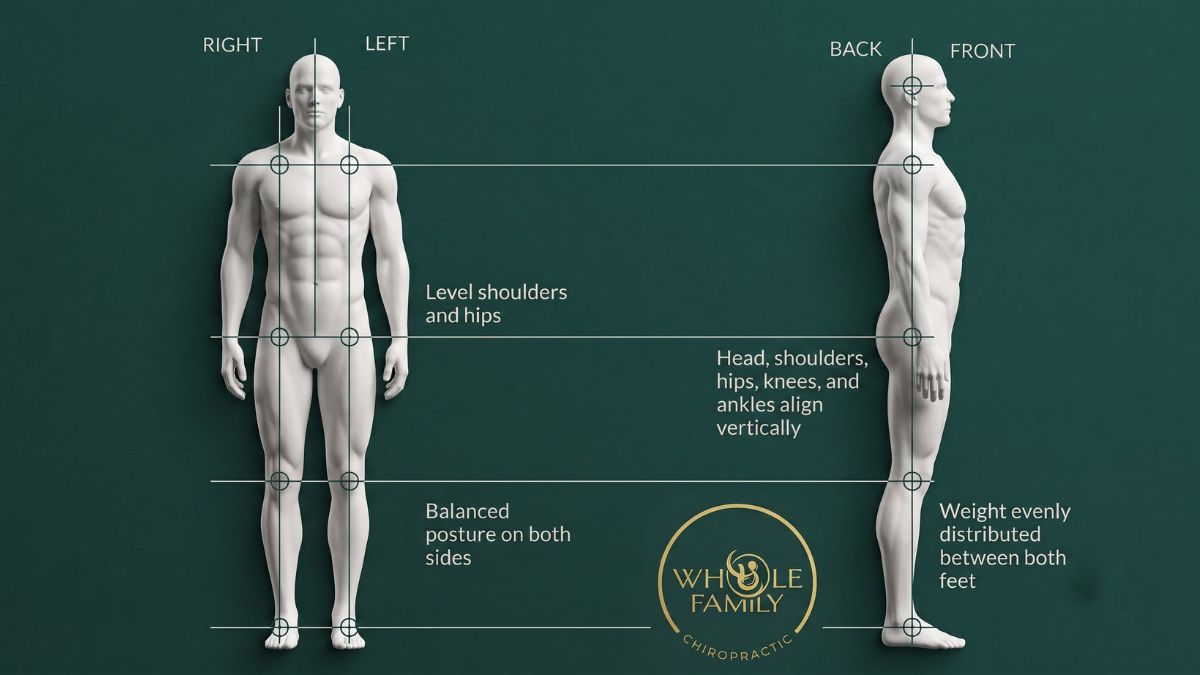
Ideal body alignment and posture symmetry.
Head: Is it centered, or does it tilt slightly to one side?
Shoulders: Do they appear level, or is one noticeably higher?
Hips: Does your pelvis look even, or does one hip sit higher?
Feet: When standing naturally, do both feet point straight ahead, or does one flare outward?
Mild differences are common, but if you check multiple boxes here, your alignment may deserve further attention.
Shoe Tread Check
Examine the soles of your everyday shoes. If one side consistently wears down more than the other, it may suggest uneven weight distribution or changes in the way you walk.
One-Sided Movement Check
Compare how each side of your body performs the same movement, paying attention to whether both sides move with similar ease and control.
For example, raise both arms overhead, rotate your neck to each side, or perform a shallow squat.
If one side consistently feels restricted or requires extra effort to complete the movement, it may suggest a functional imbalance.
Wall Posture Check
Stand with your heels, buttocks, shoulders, and the back of your head resting comfortably against a wall.
If maintaining this position feels unusually difficult or requires you to force your posture into place, it may suggest changes in your posture or body alignment.
What Causes Your Body to Become Out of Alignment?
Body misalignment usually develops gradually rather than from a single event. Everyday habits, repetitive movements, muscle imbalances, injuries, and certain structural conditions can all contribute over time.
As these factors repeatedly place uneven stress on your muscles and joints, they can gradually affect your posture and movement patterns.
Daily Habits and Poor Ergonomics
Many everyday habits can gradually contribute to body misalignment without you realizing it. Common examples include:
- Sitting for long periods without changing position.
- Spending long hours slouching at an improperly adjusted desk.
- Carrying a bag or purse consistently on one shoulder.
- Bending at the waist instead of the knees when lifting objects.
Repetitive Movements and Muscle Imbalances
Repeating the same movements at work, during sports, or while performing specific tasks can cause certain muscles to become tight and overactive while opposing muscles lose strength.
Once this muscle imbalance occurs, the body can no longer move or stabilize efficiently, which gradually pulls your frame out of its natural alignment.
Injuries and Compensation
After an injury, your body naturally adapts to reduce pain and protect the affected area. These compensatory movement patterns may persist even after the injury has healed, placing extra stress on other muscles and joints and gradually contributing to body misalignment.
Structural or Musculoskeletal Conditions
Some people have underlying structural or musculoskeletal conditions that can affect posture and body alignment. Examples include scoliosis, leg length differences, and other conditions affecting the musculoskeletal system.
Signs It’s Time to Seek Professional Care
Most mild posture changes or occasional muscle discomfort improve with better movement habits and don’t require urgent medical attention.
However, if your symptoms persist, become more frequent, or begin affecting your daily activities, it’s a good idea to seek a professional evaluation rather than relying on self-checks alone.
Non-Urgent Symptoms
Consider scheduling an evaluation with a musculoskeletal healthcare provider if you experience:
- Pain, stiffness, or reduced mobility that lasts for several weeks.
- Discomfort or limited movement interferes with your daily activities.
- Symptoms that keep returning despite rest or self-care.
- Ongoing posture changes that continue to worsen over time.
Urgent Symptoms
Some symptoms may indicate a more serious underlying condition and should be evaluated as soon as possible, including:
- Severe, sudden, or rapidly worsening pain.
- Persistent numbness or tingling in the arms or legs.
- Muscle weakness that affects gripping, lifting, or walking.
- A sudden change in posture or a rapidly developing spinal curve.
Choosing the Right Healthcare Professional
Once you’ve decided it’s time for a professional evaluation, the next step is determining which healthcare provider is best suited to identify the underlying cause of your symptoms.
Joint restrictions, muscle tension, injuries, and medical conditions can all contribute to feeling “out of alignment,” so the right healthcare professional depends on what’s contributing to your symptoms.
A Chiropractor (For Musculoskeletal Symptoms)
If your symptoms stem from posture changes, joint restrictions, or pain that worsens with movement, a chiropractor is often a good place to start.
At Whole Family Chiropractic, we begin with a comprehensive assessment of your musculoskeletal system. Through targeted spinal adjustments, we help restore joint mobility, reduce mechanical stress, and relieve pain.
As movement improves, many patients also experience a reduction in associated muscle tension.
A Physical Therapist (PT)
A physical therapist is a good choice if you’re recovering from an injury or need to improve strength, balance, flexibility, or mobility through guided rehabilitation exercises.
A Primary Care Provider (PCP)
If your symptoms are accompanied by unexplained fever, severe fatigue, unexplained weight loss, or other signs that may indicate a condition beyond the musculoskeletal system, your PCP is the best place to start.
They can perform a medical evaluation, order appropriate diagnostic tests, and refer you to a specialist if needed.
Not sure where to start?
A comprehensive evaluation at Whole Family Chiropractic can help identify possible sources of your symptoms and guide you toward the most appropriate care.
Schedule Your Evaluation Today
📍 Visit Us: 600 E. 36th Ave., Suite 300, Anchorage, AK 99503
📞 Call Us: 907-562-3060
