Spinal Stenosis
Spinal Stenosis Treatment in Anchorage, AK
Spinal stenosis can make everyday activities increasingly difficult, especially when standing or walking begins triggering pain, numbness, tingling, heaviness, or weakness in your legs. For some people, symptoms appear gradually. You may notice that grocery shopping becomes easier when leaning over the cart, walking requires more frequent breaks, or standing in one place becomes uncomfortable much faster than it used to.
At Whole Family Chiropractic in Anchorage, AK, we help patients dealing with spinal stenosis, chronic back or neck pain, sciatica, nerve irritation, and related spinal conditions understand what may be contributing to their symptoms and what conservative treatment options may be appropriate.
Our approach goes beyond simply chasing pain. We evaluate your spine, posture, movement, neurological symptoms, health history, and structural findings so we can create a personalized plan designed to improve mobility, reduce irritation, and support better spinal function.
What Is Spinal Stenosis?
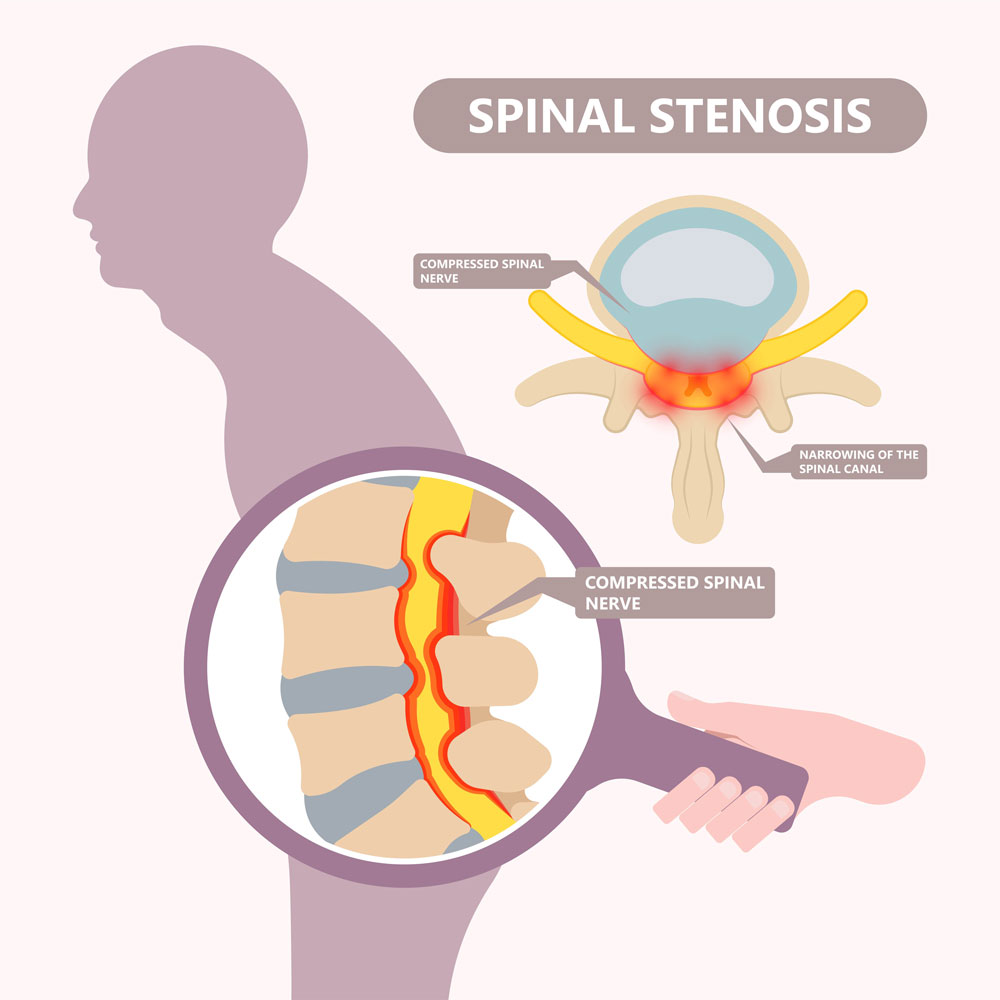
Spinal stenosis is a narrowing of spaces within or around the spine that can place pressure on the spinal cord or nearby nerve roots.
The condition most commonly develops in the lumbar spine, or lower back, and the cervical spine, or neck. Lumbar spinal stenosis can affect nerves traveling into the buttocks and legs, while cervical spinal stenosis may affect the spinal cord or nerves traveling into the shoulders, arms, and hands.
Spinal stenosis often develops gradually as a result of age-related changes such as disc degeneration, arthritis, thickened ligaments, bone spurs, or changes in the joints of the spine. Herniated or bulging discs can also contribute to narrowing in certain areas.
Some people have spinal narrowing visible on imaging without experiencing significant symptoms. Others may develop pain, numbness, weakness, or reduced ability to stand and walk comfortably.
Common Spinal Stenosis Symptoms
Symptoms can vary depending on where the narrowing occurs and which nerves or structures are affected.
Common symptoms may include:
- Lower back pain or stiffness
- Neck pain or stiffness
- Pain traveling into the buttocks or legs
- Sciatica-like symptoms
- Numbness or tingling in the legs or feet
- Heaviness or weakness in the legs
- Pain or weakness that becomes worse while standing or walking
- Relief when sitting, bending forward, or leaning over a shopping cart
- Pain traveling into the shoulder, arm, hand, or fingers
- Numbness or tingling in the arms or hands
- Reduced balance or coordination in more significant cervical cases
One characteristic pattern associated with lumbar spinal stenosis is neurogenic claudication, where leg discomfort, weakness, heaviness, or numbness develops during prolonged standing or walking and improves after sitting or bending forward.
Because symptoms can overlap with herniated discs, sciatica, peripheral neuropathy, hip problems, vascular conditions, and other disorders, determining what is actually causing your symptoms is an important part of deciding what treatment may be appropriate.
When Spinal Stenosis Starts Affecting Your Life
Spinal stenosis can gradually shrink your world.
You may begin choosing the closest parking space because walking across a large parking lot is uncomfortable. Shopping trips may require frequent breaks. Standing through a child’s sporting event, preparing dinner, working around the house, or walking the dog may become increasingly difficult.
For active Anchorage residents, spinal stenosis may interfere with hiking, fishing, hunting, skiing, exercising, working outdoors, or simply enjoying time with family.
You may even find yourself planning activities around whether there will be somewhere to sit.
When symptoms begin limiting how far you can walk, how long you can stand, or the activities you enjoy, it may be time to determine what is contributing to the problem and whether conservative care can help you function more comfortably.
Spinal Stenosis Relief in Anchorage
At Whole Family Chiropractic, our chiropractors in Anchorage evaluate more than the location of your pain. We look at your spinal movement, posture, neurological symptoms, previous injuries, daily activities, structural alignment, and the positions that improve or aggravate your symptoms.
When clinically appropriate, diagnostic imaging may also help provide additional information about degenerative changes, spinal alignment, disc-space narrowing, arthritis, or other structural factors.
Depending on your findings, your care plan may include traditional chiropractic care, advanced corrective chiropractic, physical rehabilitation, cervical or lumbar disc decompression, traction-based therapies, supportive therapeutic techniques, or a combination of approaches available within our Anchorage clinic.
The goal is not to treat every spinal stenosis patient the same way. Your care should reflect the location and severity of the narrowing, your neurological findings, overall health, comfort level, and individual goals.
Chiropractic Care for Spinal Stenosis
Chiropractic care may be considered for some patients with spinal stenosis when restricted joint movement, stiffness, altered mechanics, or other musculoskeletal factors are contributing to discomfort.
Whole Family Chiropractic uses multiple chiropractic techniques, allowing our doctors to modify care based on the patient’s age, condition, symptoms, comfort level, and clinical findings.
This is especially important with spinal stenosis. A patient with mild lumbar narrowing and stiffness should not automatically receive the same treatment as someone experiencing significant neurological symptoms or advanced cervical stenosis.
Your chiropractor will determine whether an adjustment is appropriate, which areas should be treated, and which techniques make the most sense for your condition.
Cervical and Lumbar Disc Decompression
Whole Family Chiropractic offers both cervical intervertebral disc decompression and lumbar intervertebral disc decompression as part of our physical medicine services.
Spinal decompression is a non-surgical approach designed to gently reduce mechanical pressure in targeted areas of the spine. Depending on the cause and location of your symptoms, decompression may be incorporated into a broader conservative care plan for certain patients dealing with disc degeneration, bulging or herniated discs, sciatica, nerve irritation, and some symptoms occurring alongside spinal narrowing.
Spinal stenosis can have multiple causes, however, and decompression is not appropriate for every patient or every form of stenosis.
Your doctor will evaluate your symptoms, neurological findings, health history, and available imaging before determining whether cervical or lumbar decompression should be considered as part of your treatment plan.
Advanced Corrective Chiropractic with Chiropractic BioPhysics
For patients whose symptoms occur alongside significant postural or structural changes, our team may recommend advanced corrective chiropractic using Chiropractic BioPhysics® (CBP).
CBP focuses on spinal alignment, posture, and biomechanics rather than symptoms alone.
When clinically appropriate, diagnostic X-rays and postural analysis may be used to identify structural patterns that could be changing the way forces are distributed through the spine. Loss of normal spinal curves, forward head posture, altered weight distribution, or other postural changes may contribute to mechanical stress in patients who already have degenerative spinal changes.
A customized corrective plan may incorporate Mirror Image® adjustments, corrective exercises, traction, and home recommendations based on your individual findings.
Corrective care does not eliminate every structural cause of spinal stenosis, but addressing contributing postural and mechanical factors may be an important part of a broader plan designed to improve movement and function.
Rehabilitation and Supportive Care for Spinal Stenosis
When spinal stenosis causes pain or difficulty walking, people often begin moving differently to protect themselves.
Over time, reduced activity can contribute to weakness, decreased mobility, muscular imbalance, and reduced confidence with normal movement.
Depending on your needs, your care plan may include physical rehabilitation and supportive therapies available within our Anchorage clinic.
Exercises may focus on mobility, flexibility, core stability, strength, balance, and movement patterns based on your condition and tolerance. Whole Family Chiropractic’s physical medicine approach allows chiropractic care, rehabilitation, traction, and therapeutic techniques to be combined when clinically appropriate.
Our goal is to help you remain active, improve your ability to perform everyday activities, and maintain as much comfortable movement and independence as possible.
Lumbar vs. Cervical Spinal Stenosis
Both involve narrowing around the spine, but their symptoms can be very different.
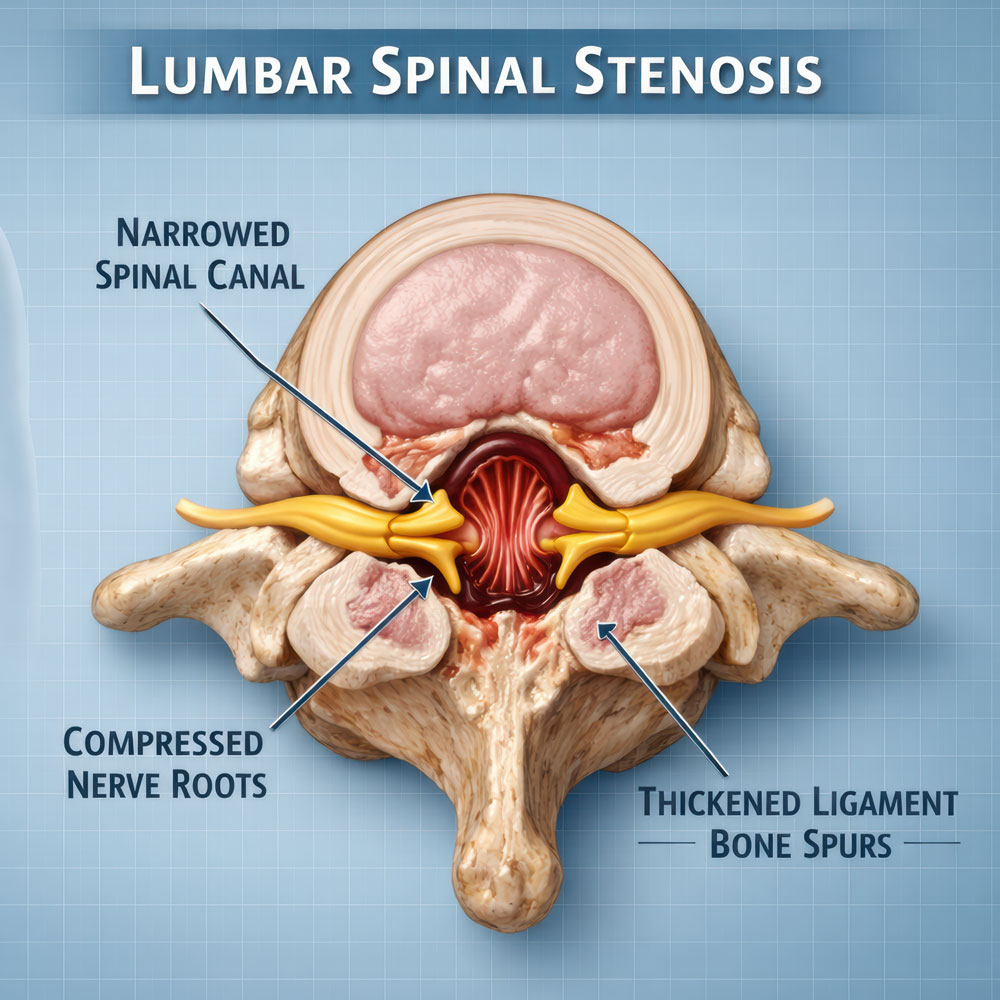
Lumbar spinal stenosis occurs in the lower back and commonly affects nerves traveling into the buttocks and legs. Patients may experience back pain, leg pain, tingling, numbness, heaviness, or weakness, particularly while standing or walking.
Cervical spinal stenosis occurs in the neck. Narrowing may affect individual nerve roots or, in more significant cases, the spinal cord itself. Symptoms may include neck pain, arm pain, numbness or tingling in the hands, weakness, balance problems, difficulty with coordination, or changes in fine motor control.
Because cervical spinal cord compression can become serious, neurological symptoms involving balance, coordination, weakness, or loss of hand function should be evaluated carefully.
Two patients can both be diagnosed with spinal stenosis while experiencing completely different symptoms and requiring very different approaches to treatment.
When Stenosis Symptoms Need Urgent Medical Attention
Most spinal stenosis symptoms develop gradually and are not medical emergencies. However, certain neurological changes require prompt medical attention.
Seek urgent medical evaluation if you experience new loss of bladder or bowel control, numbness around the groin or inner thighs, rapidly worsening weakness, significant difficulty standing or walking, severe loss of coordination, or sudden neurological changes.
Patients with cervical spinal stenosis should also seek prompt evaluation for progressive arm or leg weakness, increasing balance problems, difficulty using the hands, or other symptoms suggesting possible spinal cord involvement.
These symptoms can indicate significant nerve or spinal cord compression and should not be ignored.
Frequently Asked Questions
Can a chiropractor help with spinal stenosis?
Chiropractic care may be one component of conservative treatment for certain patients with spinal stenosis, particularly when stiffness, restricted movement, posture, or other musculoskeletal factors are contributing to symptoms. However, spinal stenosis varies considerably in severity. At Whole Family Chiropractic, we evaluate neurological symptoms, health history, examination findings, and available imaging before determining whether chiropractic treatment is appropriate.
Can spinal stenosis be treated without surgery?
Many people with mild to moderate spinal stenosis initially use conservative treatment rather than surgery. Treatment may include activity modification, rehabilitation, exercise, appropriate manual care, medications through a medical provider, and other conservative approaches. Surgery may be considered when symptoms remain severe despite conservative care or when progressive neurological problems are present.
Can spinal stenosis cause sciatica?
Yes. Lumbar spinal stenosis can narrow the space available for spinal nerves and produce symptoms similar to sciatica. These may include pain, tingling, numbness, burning, heaviness, or weakness traveling from the lower back or buttock into one or both legs.
Why does spinal stenosis sometimes feel better when sitting or leaning forward?
With certain forms of lumbar spinal stenosis, bending slightly forward can temporarily increase the space available around affected nerves. This is why some patients find standing upright or walking difficult but can walk farther while leaning over a shopping cart or experience relief after sitting down.
Is spinal stenosis the same as degenerative disc disease?
No. Degenerative disc disease refers to age-related or wear-related changes within the spinal discs. Spinal stenosis describes narrowing around the spinal canal or nerve openings. Disc degeneration can contribute to spinal stenosis, and both conditions may occur together, but they are not the same diagnosis.
Do I need an MRI for spinal stenosis?
Not every patient requires an MRI immediately. Your evaluation begins with your health history, symptoms, movement, strength, sensation, reflexes, and other appropriate clinical tests. X-rays can provide information about spinal alignment, arthritis, disc-space narrowing, and other structural changes. An MRI may be recommended when the spinal canal, discs, spinal cord, nerve roots, and other soft tissues need to be evaluated in greater detail.
Does spinal stenosis always get worse?
Not necessarily. The progression of spinal stenosis varies from person to person, and the amount of narrowing visible on imaging does not always correspond directly with symptom severity. Some people remain stable for years, while others experience gradually increasing limitations. Monitoring neurological symptoms and maintaining appropriate movement, strength, and activity can be important parts of long-term management.
Is walking good for spinal stenosis?
Remaining active is generally important, but the right type and amount of activity depend on your individual condition. Some patients with lumbar spinal stenosis tolerate shorter walks, cycling, aquatic exercise, or activities performed in slightly flexed positions better than prolonged upright walking. Your care team can help determine which activities are appropriate based on your symptoms and examination findings.
Ready to Get Help With Spinal Stenosis?
If you are searching for spinal stenosis treatment in Anchorage, a chiropractor for lumbar spinal stenosis, conservative care for cervical spinal stenosis, spinal decompression in Anchorage, or help with back pain, sciatica, numbness, or difficulty walking, Whole Family Chiropractic is here to help you understand your options.
Our team will evaluate your condition, explain what we find, and recommend the type of care that makes sense for your symptoms, lifestyle, and goals.
Looking for a great family chiropractor in Anchorage?
Contact us today at 907-562-3060 for an appointment
Whole Family
Chiropractic
Office Hours
Monday, Wednesday & Friday
8:30am – 6pm
Tuesday & Thursday
2pm – 6pm
Saturday & Sunday
Closed