
Blogs & Articles
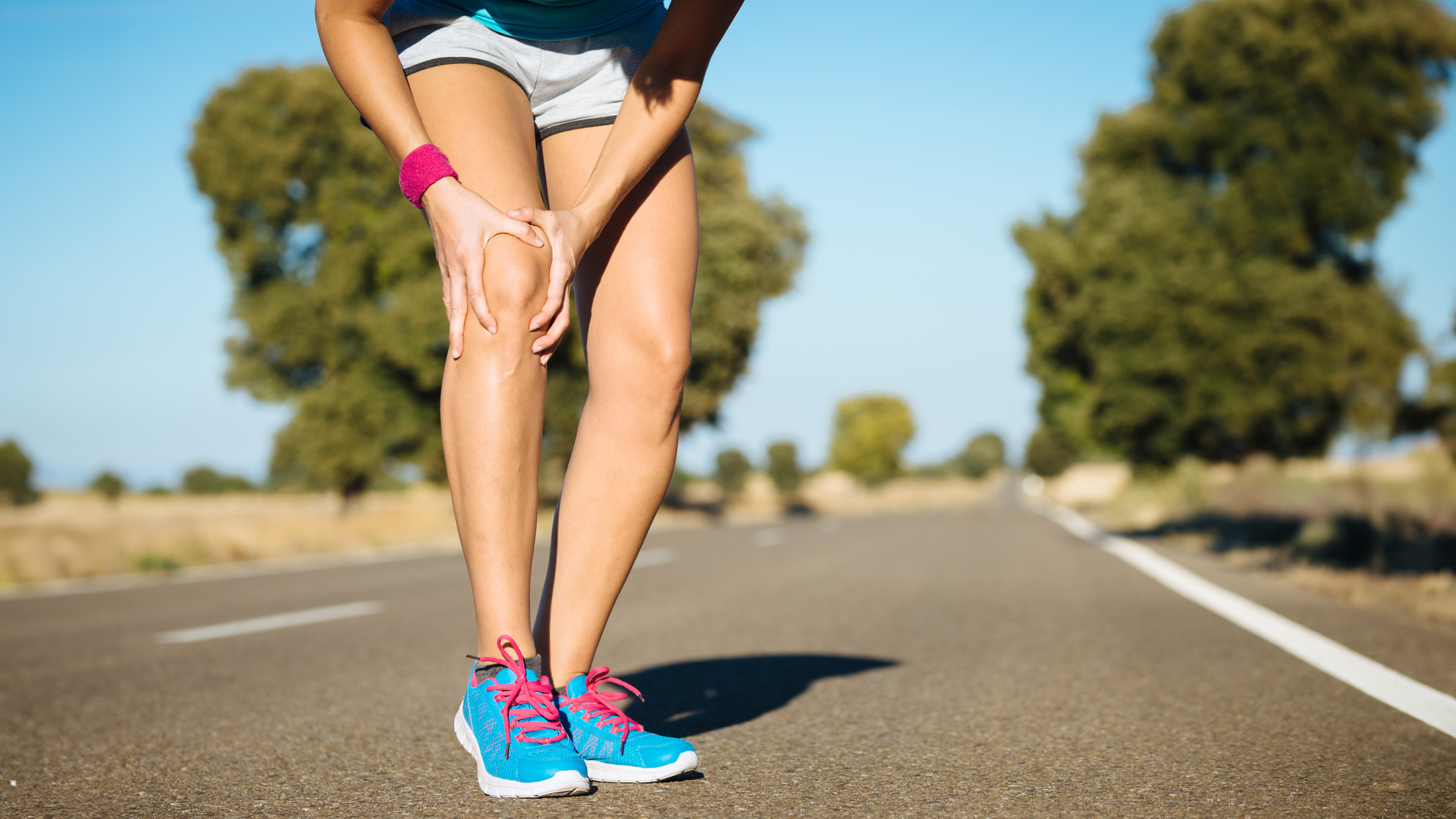
7 Chiropractic Tips for Hiking to Help Reduce Knee Pain
Long hikes and downhill trails can sometimes lead to knee pain and sore joints. Whole Family Chiropractic shares chiropractic care tips to help support knee comfort and movement during hiking season in Alaska.
1. Warm Up Before You Start Your Hike
Many people begin hiking as soon as they arrive at the trailhead. This can make the legs, hips, ankles, and back feel tired more quickly, especially after a long Alaska winter with less activity.
Before starting your hike, spend a few minutes walking, moving your hips and ankles, and warming up your legs and core. Light stretching and simple movements may help improve flexibility and prepare the body for steep or rocky trails.
A warm-up does not need to take long. Even a few minutes may help your muscles, ligaments, and joints adjust better before hiking uphill or downhill. This may also lower the chance of soreness later in the hike, especially during the final miles on the trail.
2. Support Your Ankles and Knees with The Right Hiking Shoes
Trail conditions in Alaska can change quickly. One section may be dry, while the next may have mud, loose gravel, slippery rocks, or rough ground. Shoes that do not provide enough support can make hiking feel harder on longer trails.
A supportive pair of hiking shoes should have:
- Good traction
- A stable sole
- A comfortable fit
- Ankle support if needed
Good hiking shoes may help improve balance and make movement feel more stable on changing terrain.
Many hikers do not realize that worn-out shoes can affect posture, proper alignment, and movement patterns during outdoor activities. If your legs or ankles often feel sore after hiking, switching to more supportive shoes may help more than expected.
3. Reduce Pressure During Long Hikes with A Better Backpack Fit
A backpack that is too heavy or poorly adjusted can make your shoulders, neck, hips, pelvis, and back feel sore during a long hike, especially for hikers who already deal with neck pain or posture issues. When weight is not balanced well, the body often leans forward more, which can affect posture and make movement feel less comfortable.
To make hiking feel easier on the body:
- Keep your backpack light
- Place heavier items near the center of the pack
- Tighten straps evenly
- Use waist or chest straps if available
Small adjustments like these may help you feel less sore after spending hours on the trail.
4. Better Posture Can Help Prevent Future Knee Pain
Many people lean too far forward while hiking uphill, especially when they begin to feel tired. Poor posture during long hikes can make the legs, hips, and back work harder over time.
While hiking, try to:
- Keep your shoulders relaxed
- Avoid rounding your back
- Keep your head in a natural position
- Take shorter steps on steep trails
It may also help to check your posture from time to time during longer hikes. Good posture and steady breathing can support better balance and help the body move more comfortably on changing terrain.
A lot of hikers focus only on speed or distance, but posture can also affect movement, mobility, and overall comfort at the end of the day.
5. Simple Recovery Habits for More Pain-Free Hiking
As your body gets tired, the way you move can slowly change. Your steps may feel heavier, your posture may change, and hiking may start to feel harder during longer trails.
Taking short breaks, drinking enough water, and doing light stretches when needed may help ease soreness during the hike. It may also help to avoid pushing through discomfort for too long or waiting until you feel completely exhausted before resting.
Recovery after hiking matters too. Light walking, gentle stretching for the calves, glutes, hips, fascia, and nearby soft tissue may help the body recover more comfortably between outdoor activities.
Some hikers also benefit from massage therapy, stretching, and simple lifestyle recommendations that support recovery after long outdoor activities.
6. Hip and Core Strength Can Support Knee Pain Relief
The hips and core play an important role during hiking. These muscle groups help support the musculoskeletal system and keep the body stable on downhill trails, sloped ground, rocky paths, and muddy sections.
When these muscles become weak or tired, hiking may feel more difficult, especially during longer or steeper trails. This is one reason many hikers notice.
- More soreness while hiking downhill
- Tired legs after long hikes
- Feeling less stable on rough trails
Simple mobility and strength exercises during the week may help improve balance, range of motion, and overall quality of life during outdoor activities. Staying active regularly and slowly building strength may also help lower the risk of overuse injuries and wear and tear over time.
7. When to Visit A Chiropractor for Knee Pain
Some soreness and stiffness after hiking can be normal. But if discomfort keeps coming back, gets worse over time, or starts affecting daily activities, it may be a good idea to pay closer attention.
Watch for signs like:
- Sharp pain while walking
- Swelling after hiking
- Discomfort during downhill trails
- Reduced flexibility
- Ongoing back tightness
- Soreness that affects daily activities
In some cases, these symptoms may be connected to posture, sports injuries, sprain injuries, repeated strain, or movement habits over time. Some people may also notice similar discomfort connected to chronic conditions, cartilage wear, arthritis, or early osteoarthritis changes in the joints.
Recovery and Chiropractic Care After Long Days On the Trail
For many people around Anchorage, soreness after hiking may not only come from long miles on the trail. Posture, spinal alignment, body weight, movement habits, and repeated strain on the musculoskeletal system may also play a role.
Dr. Ryan Dachowski and Dr. Jessica Dachowski at Whole Family Chiropractic specialize in helping patients improve mobility, movement, and recovery through personalized chiropractic care, chiropractic adjustments, posture-focused rehabilitation, and non-surgical physical medicine services.
Treatment options for knee pain may vary depending on activity level, movement habits, and overall lifestyle. In some cases, imaging or a personalized treatment plan may be recommended to better understand the source of discomfort and support lasting relief.
The goal is to help patients stay active, move more comfortably, and continue enjoying outdoor activities in Alaska with better support for the body and surrounding muscles.
FAQs
What are some common causes of knee pain while hiking?
Common causes of knee pain while hiking may include overuse, muscle fatigue, poor posture, uneven trails, worn-out shoes, or repeated downhill walking.
How can I make hiking feel more comfortable?
Warming up, wearing supportive hiking shoes, improving posture, staying hydrated, and slowly building strength over time may help make hiking feel easier on the body.
Can trekking poles help while hiking?
Trekking poles may help improve balance and make downhill hiking feel more stable, especially on rocky or muddy trails.
What may help after a long day on the trail?
Drinking enough water, gentle stretching, light movement, and proper recovery habits may help the body feel less sore after hiking.
Can hiking cause back pain after long trails?
Yes. Heavy backpacks, long hikes, and poor posture may place extra pressure on the back and nearby muscles during outdoor activities.
When should you consider seeing a chiropractor?
You may want to consider seeing a chiropractor if soreness lasts for a long time, keeps coming back, gets worse over time, or starts affecting movement and daily activities.